Choosing Your Stops
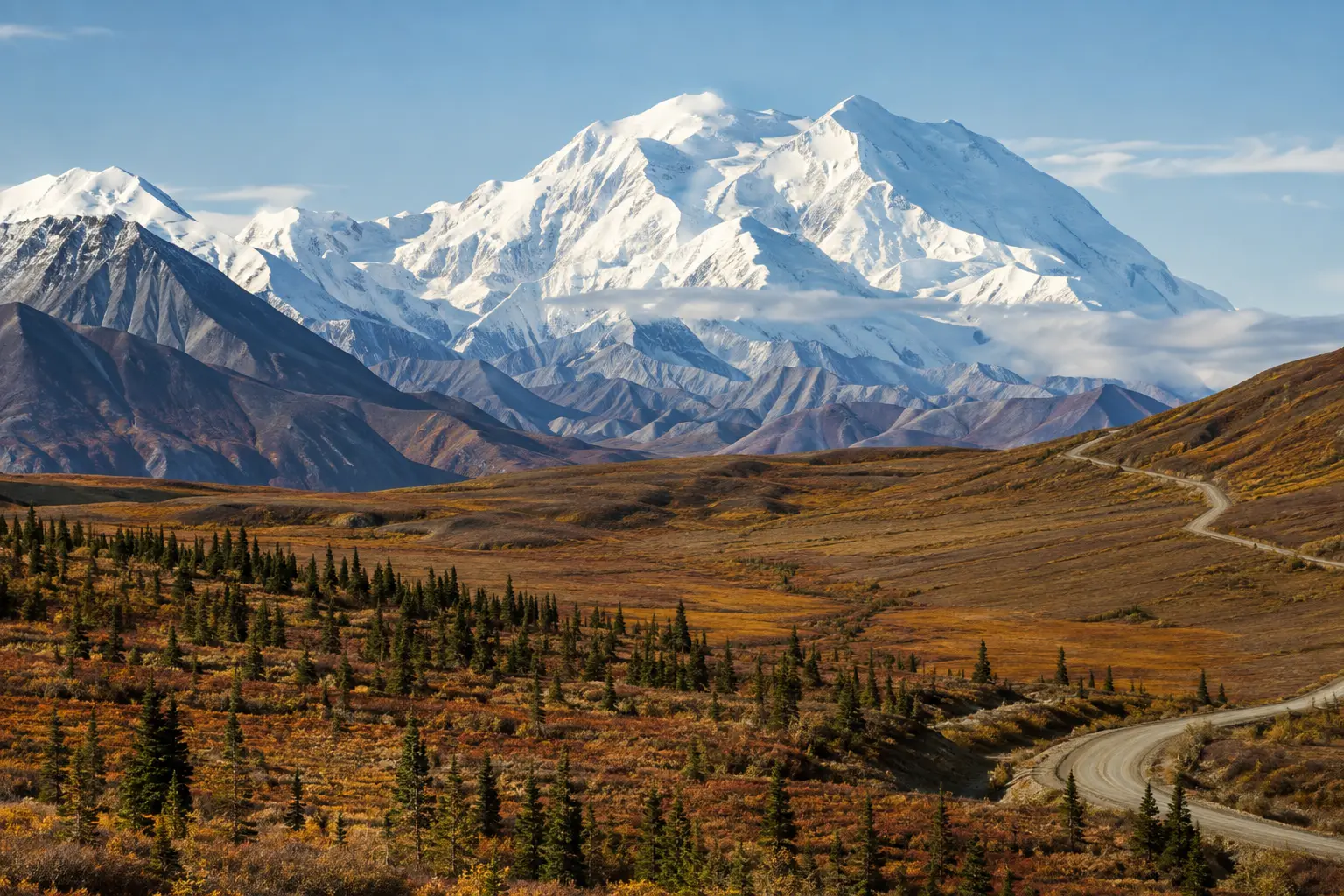
Alaska’s public lands present a spectrum of experiences, each anchored in distinct natural or cultural narratives. Denali National Park & Preserve offers six million acres of wilderness, a single park road that climbs from low‑elevation taiga to alpine tundra, and the dramatic backdrop of 20,310 ft Mount McKinley, all teeming with unfenced wildlife. The Alagnak Wild River, born in the Aleutian Range of Katmai, winds west across the peninsula, delivering a rare blend of pristine wilderness, abundant fauna, and the cultural heritage of southwest Alaska. Alaska Public Lands Information Centers serve as hubs for safe, enjoyable exploration, providing trip‑planning, interpretation, and education across the state’s varied parks, forests, and refuges. The Aleutian Islands World War II National Historic Area tells a sobering story of the Unangax̂ people’s 8,000‑year presence and the islands’ fierce WWII battles, including evacuations and prisoner experiences. Aniakchak National Monument & Preserve, one of the least visited parks, showcases a six‑mile‑wide, 2,500‑ft‑deep volcanic caldera—a vivid reminder of Alaska’s position in the Ring of Fire. Finally, Bering Land Bridge National Preserve marks a Pleistocene crossroads that shaped life across the Western Hemisphere, remaining vital to Indigenous communities and preserving a wild, ecologically healthy landscape. By matching personal interests—whether wildlife, geology, or history—to these distinct attributes, travelers can prioritize stops that resonate most strongly.
Suggested Flexible Visit Sequence
Because Alaska’s distances are vast and transportation options vary, a flexible sequence helps accommodate weather, flight availability, and personal stamina. A common starting point is Denali, centrally located and accessible by major air hubs, allowing a solid wildlife and mountain foundation. From there, head southwest to the Alagnak Wild River for a river‑based immersion in remote peninsula wilderness. Returning toward central Alaska, swing by an Alaska Public Lands Information Center—often found near Anchorage or Fairbanks—to refine permits, safety plans, and local insights before tackling the far‑west Aleutian Islands WWII sites, which may require a charter flight or ferry. After the Aleutians, move northward to Aniakchak, typically accessed via small‑plane charters, to explore its volcanic caldera. Conclude the loop at Bering Land Bridge in the far northwest, reachable by regional flights or extended overland travel, offering a geological and cultural capstone. This loop can be rearranged; for example, start with the Aleutians if flight schedules dictate, or finish with Denali for a grand finale. The key is to keep travel legs logical while remaining adaptable to seasonal road closures and flight windows.
Practical Booking and Access Checks
All six sites are managed by the National Park Service and listed on Recreation.gov, making those two portals the primary sources for permits, reservation windows, and seasonal alerts. Denali’s park road operates on a limited vehicle quota during summer months; visitors must secure a reservation well in advance. The Alagnak Wild River’s remote stretches often require a backcountry permit and a guided outfit for safe navigation. Alaska Public Lands Information Centers can confirm the latest trail conditions, wildlife advisories, and educational program schedules. The Aleutian Islands WWII area may have limited visitor facilities; checking the NPS site for any required permits or guided tours is essential. Aniakchak’s extreme weather and limited access mean that charter flights must be booked early, and a backcountry permit is mandatory for caldera hikes. Bering Land Bridge’s remote terrain also demands a permit for certain trails and coordination with Indigenous groups for culturally sensitive areas. Across all sites, verify road closures, flight schedules, and any required safety equipment (e.g., bear canisters, bear spray) before departure.
Traveler Trade‑offs
Choosing Alaska’s public lands inevitably balances remoteness against comfort, wildlife encounters against historical immersion, and time investment against budget. Denali offers iconic wildlife and mountain vistas but can be crowded during peak season, requiring early mornings for solitude. The Alagnak provides deep wilderness and cultural depth, yet its isolation demands longer travel time and possibly guided services, raising costs. Alaska Public Lands Information Centers are low‑cost, high‑value stops that enhance safety and knowledge without adding travel distance. The Aleutian Islands deliver a powerful WWII narrative and unique cultural context, but reaching the islands often involves expensive charter flights and limited on‑site amenities. Aniakchak’s volcanic landscape is unparalleled for geology enthusiasts, yet its harsh weather and scarcity of visitors mean fewer services and a higher logistical burden. Bering Land Bridge offers a rare glimpse into ancient migration routes and Indigenous stewardship, but its remote location can limit day‑trip feasibility, pushing travelers toward multi‑day expeditions. Weighing these trade‑offs—such as allocating more days to remote sites versus concentrating on accessible highlights—helps craft an itinerary that aligns with personal priorities, stamina, and budget.