WTDO USA

THE WTDO FIELD GUIDE · Delaware

Delaware & Chesapeake Bay Field Guide: History, Nature, and Flexible Planning

This guide weaves Delaware’s constitutional legacy, early colonial waterways, and the expansive Chesapeake Bay watershed into a single, adaptable itinerary. By grounding each stop in its unique historical or ecological story, travelers can choose how much time to devote to museums, trails, or water‑based recreation. The planning sections give clear criteria for selecting stops, a fluid sequence that respects geography, essential booking checks, and a frank look at the trade‑offs between depth of experience and travel efficiency. All recommendations are presented as suggestions, letting each explorer tailor the journey to personal interests and schedules.

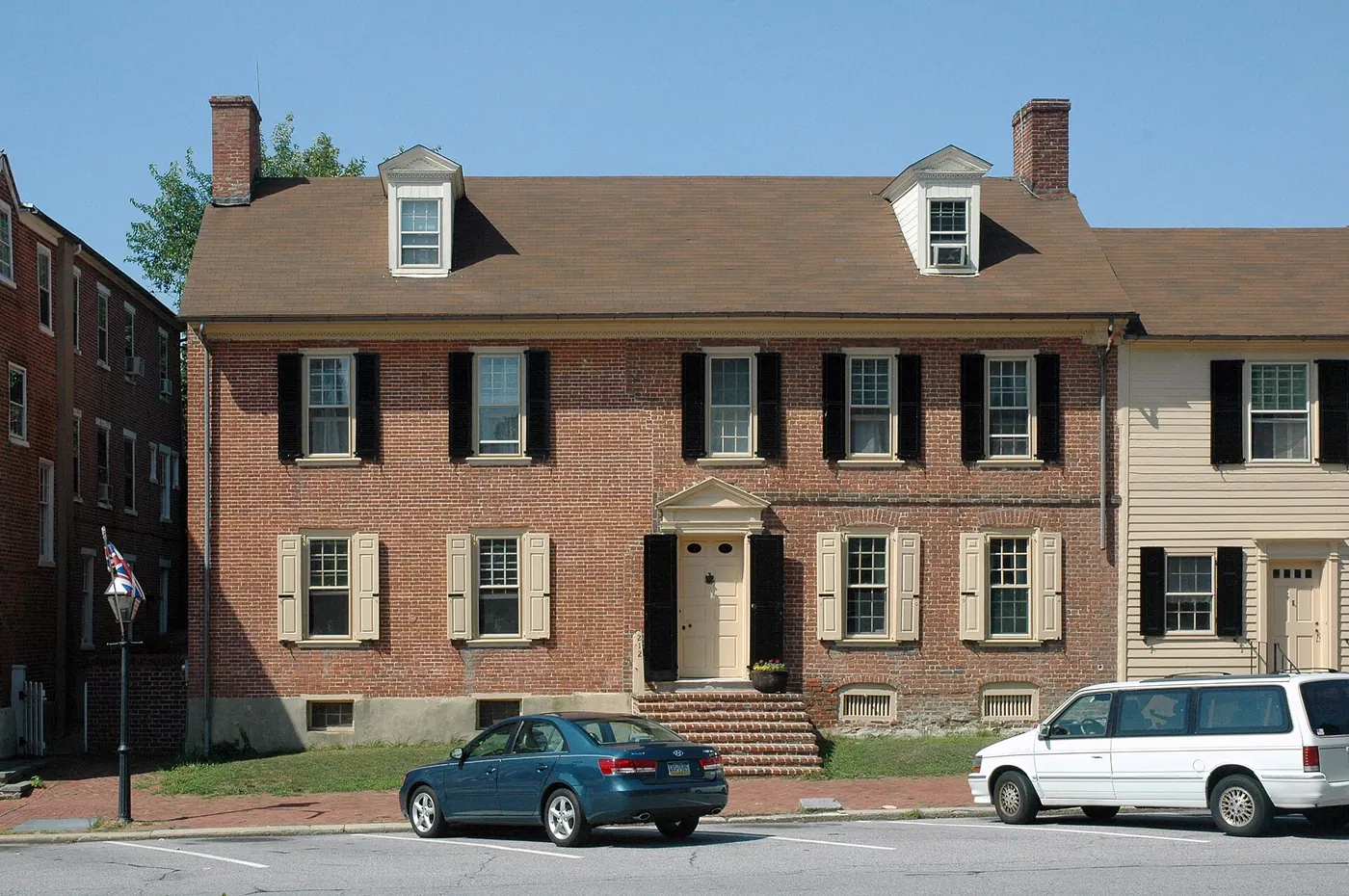
Image of First State National Historical Park
Photo: DimiTalen · CC0 ↗

CHOOSE YOUR OWN WAY

Start with a place that fits your pace.

These are editorial starting points. Reference counts show linked source records, not popularity or ratings. Check current access information before setting out.

01 · History2 source records

First State National Historical Park

First State National Historical Park stands as the birthplace of the United States Constitution, showcasing Delaware’s early embrace of religious and ethnic diversity and its strong independent spirit. The park’s interpretive trails and visitor center bring the story of the three world powers that once contested the Delaware Valley to life, offering a tangible connection to the nation’s founding ideals. For travelers seeking a concise yet profound historical experience, this site provides both educational depth and a sense of place that anchors the rest of the itinerary.

Before you go: Allocate a morning slot, reserve a timed‑entry pass if needed, and start at the visitor center to maximize interpretive program access.

02 · History2 source records

Captain John Smith Chesapeake National Historic Trail

The Captain John Smith Chesapeake National Historic Trail traces the 1608 exploration of the Chesapeake Bay, marking hundreds of American Indian communities documented by Smith. Today, the trail’s shoreline sites serve as archaeological treasures and sacred places for tribal citizens, offering a rare blend of colonial history and living indigenous culture. A short paddle or walk along the trail immerses visitors in the water‑based perspective that shaped early settlement, while still fitting comfortably within a day’s schedule.

Before you go: Plan a midday paddle or guided walk, checking tide tables and trail maps on the NPS site for safe launch points.

03 · Outdoors2 source records

Chesapeake Bay

Chesapeake Bay connects over 41 million acres of land and water, representing one of the nation’s largest watersheds. The National Park Service emphasizes stewardship, recreation, and tourism across this vast region, making the Bay an ideal backdrop for kayaking, birdwatching, and learning about sustainable resource use. Its sheer size allows visitors to experience both tranquil coves and bustling waterfront towns, rounding out the historical narrative with a living natural landscape that continues to support local economies and ecosystems.

Before you go: End the day with a sunset paddle or shoreline hike, confirming launch access and any seasonal restrictions ahead of time.

MAKE THE MOST OF YOUR VISIT

Turn the places into a plan.

Choosing Your Stops: Matching Interests to Sites

Start by asking what draws you most: a deep dive into early American politics, a glimpse of 17th‑century exploration, or open‑water recreation. First State National Historical Park delivers the story of Delaware as the nation’s first ratifier of the Constitution, highlighting a culture that embraced religious and ethnic diversity and prized independence. If you’re fascinated by early colonial encounters and indigenous heritage, the Captain John Smith Chesapeake National Historic Trail offers archaeological sites and tribal‑sacred places documented since 1608. For those who prefer expansive natural settings, the Chesapeake Bay watershed spans over 41 million acres, providing opportunities for kayaking, birdwatching, and learning about stewardship. By aligning each stop with a primary interest, you can build a balanced itinerary that satisfies both curiosity and activity.

Flexible Visit Sequence: Building a Loosely Ordered Loop

Because the three sites sit along a north‑south corridor, a logical yet flexible loop begins at First State National Historical Park in northern Delaware, moves southwest to the Captain John Smith Trail along the lower Delaware River, and finishes at the broader Chesapeake Bay shoreline. Start early at the park to catch morning interpretive programs, then drive roughly an hour to the trail’s access points for a midday paddle or walk. End the day at the Bay, where sunset views and evening stewardship events are common. The sequence can be reversed or broken into separate days; the key is to keep travel legs short and allow spontaneous extensions—like an extra hike at the park or a longer kayak at the Bay—without locking yourself into a rigid schedule.

Practical Booking and Access Checks

Before you set out, verify each site’s current access policies on the National Park Service website and Recreation.gov. First State National Historical Park may require a timed‑entry reservation for the visitor center during peak months, and parking can fill quickly. The Captain John Smith Trail’s launch points often have seasonal boat‑ramp fees and may be subject to water‑level restrictions; check the latest tide charts and any required permits for kayaking or canoeing. Chesapeake Bay’s extensive shoreline includes both free public beaches and fee‑based marinas—confirm launch availability and any wildlife‑area closures. Also, look for alerts about trail maintenance, road work, or special events that could affect travel time. Keeping a quick‑reference checklist of URLs, reservation numbers, and contact phones will smooth the day‑of logistics.

Traveler Tradeoffs: Time, Depth, and Comfort

Balancing historical immersion against outdoor adventure often comes down to how much time you have and your comfort with variable conditions. Spending a full morning at First State National Historical Park lets you explore multiple exhibits and attend a ranger talk, but it reduces daylight for water activities later. A brief stop at the Captain John Smith Trail—perhaps a single‑hour paddle—offers a taste of colonial waterways without sacrificing time for the Bay’s expansive recreation. Conversely, dedicating an entire afternoon to Chesapeake Bay can provide a richer wildlife experience but may leave the historical sites feeling rushed. Consider your lodging location, transportation mode, and willingness to adjust plans for weather; a flexible mindset lets you swap a longer park visit for a sunset kayak if clouds roll in.

BOOK YOUR OWN WAY

Explore options for your dates.

These links open booking partners. Some are affiliate links: WTDO may earn a commission. Final prices, availability and terms are shown by the provider. A destination may not carry through every partner link.

Compare places to stay ↗Find tours and experiences ↗Compare rental cars ↗Compare flights ↗

LET'S MAKE THIS YOUR TRIP

The list is a beginning. Your day is the point.

Carry the destination into a free plan, or explore more of Delaware.

Plan my trip ↗Explore delaware →

Editorial review: 2026-10-08. Official links were tested for reachability during research. Editorial approval does not guarantee current hours, access or availability; check each official site.