WTDO USA

THE WTDO FIELD GUIDE · Idaho

Idaho’s Federal Treasures: A Field Guide to Six Must‑See Parks and Historic Sites

Idaho’s federal lands pack a rare mix of dramatic geology, poignant history, and world‑class outdoor recreation. From the spire‑filled cliffs of City of Rocks to the lava‑strewn plains of Craters of the Moon, from the solemn lessons of Minidoka to the living culture of the Nez Perce, and onward to Yellowstone’s geysers and Hagerman’s ancient fossils, each site tells a distinct story. This guide shows how to weave those stories into a flexible itinerary, balancing booking logistics, seasonal access, and personal trade‑offs so travelers can experience the state’s full spectrum without feeling rushed.

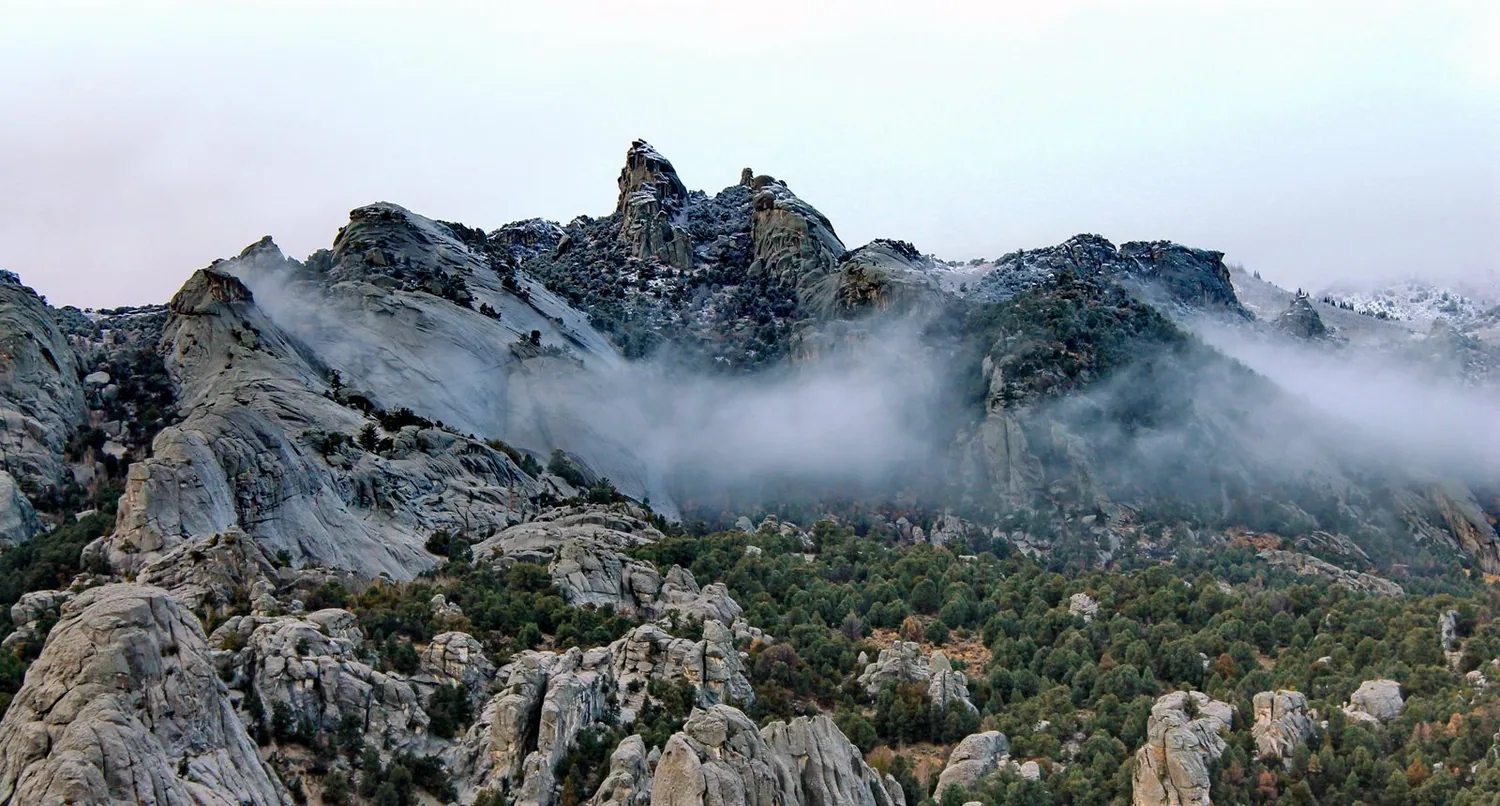
Image of City Of Rocks National Reserve
Photo: NPS Photo ↗

CHOOSE YOUR OWN WAY

Start with a place that fits your pace.

These are editorial starting points. Reference counts show linked source records, not popularity or ratings. Check current access information before setting out.

01 · Outdoors2 source records

City Of Rocks National Reserve

The reserve’s towering spires, called the Silent City, attract rock climbers, hikers, campers, and hunters, offering dramatic scenery and fascinating geology that echo the Old West.

Before you go: Allocate a half‑day for climbing or hiking, bring a day‑use permit, and consider camping on‑site if you want an early start for nearby outdoor stops.

02 · History2 source records

Craters Of The Moon National Monument & Preserve

A vast ocean of lava flows dotted with cinder cones and sagebrush creates a weird, scenic landscape where volcanic activity may continue tomorrow.

Before you go: Plan a morning drive‑through loop, pack plenty of water, and use the evening for stargazing; no reservations are needed for day‑use parking.

03 · History2 source records

Minidoka National Historic Site

Minidoka preserves the legacy of over 13,000 Japanese Americans incarcerated during World War II, teaching the importance of civil liberties after the forced removal of 120,000 people.

Before you go: Spend 1–2 hours at the interpretive center for a concise, moving experience; no advance booking is required.

04 · History2 source records

Nez Perce National Historical Park

Encompassing 38 places, the park honors the nimíipuu (Nez Perce) people across valleys, prairies, mountains, and plateaus, showcasing resilient cultural history.

Before you go: Select one or two accessible units along your route, attend any scheduled talks, and allow roughly 2 hours to explore each chosen site.

05 · Outdoors2 source records

Yellowstone National Park

As the world’s first national park, Yellowstone offers unique hydrothermal wonders, vast wilderness, and opportunities to camp, hike, and witness majestic geysers.

Before you go: Reserve at least one full day, consider an overnight stay inside the park, and book campground spots early through recreation.gov.

06 · History2 source records

Hagerman Fossil Beds National Monument

The monument’s Pliocene wetlands once hosted saber‑toothed cats, mastodons, ground sloths, horses, beavers, and birds, making fossil study the key attraction.

Before you go: Visit the museum and fossil viewing area for about two hours; no reservations needed, but check seasonal opening hours before arriving.

MAKE THE MOST OF YOUR VISIT

Turn the places into a plan.

How to Choose Your Stops

Start by ranking what matters most on your trip: rugged climbing, volcanic scenery, civil‑rights history, Indigenous culture, iconic geysers, or paleontological wonder. Idaho’s six federal sites each excel in a different niche. If vertical adventure is a priority, City of Rocks offers world‑renowned spires for climbers and hikers. For a surreal, otherworldly landscape, Craters of the Moon delivers a lava‑filled tableau. History buffs may gravitate toward Minidoka’s WWII internment story or the Nez Perce National Historical Park’s 38 cultural sites. Nature lovers seeking classic park experiences will find Yellowstone’s hydrothermal features unmatched, while fossil enthusiasts will be drawn to Hagerman’s Pliocene remains. Match your interests to these strengths, then consider travel distance and time of year to narrow the list.

A Suggested Flexible Visit Sequence

Because the sites stretch from southern to northern Idaho, a loop works well: begin in the south with City of Rocks, then head east to Craters of the Moon. Continue northward to Minidoka, followed by the Nez Perce units that lie along the same corridor. From there, swing east into Yellowstone’s western gateway before looping back west to Hagerman Fossil Beds, which sits near the southern trailhead. This order minimizes back‑tracking, yet each leg can be swapped based on lodging or road conditions. If you land in Boise, start at City of Rocks; if you arrive in Idaho Falls, reverse the loop. The sequence remains flexible—just keep daily mileage under 150 miles to preserve energy for on‑site exploration.

Practical Booking and Access Checks

All six locations are managed by the National Park Service and list detailed visitor information on recreation.gov and the NPS website. Before you go, verify campground availability, especially at City of Rocks and Yellowstone, where reservations fill quickly in summer. Some sites, such as Craters of the Moon and Hagerman, operate on a first‑come, first‑served basis for day‑use parking, so arrive early. Check seasonal closures: winter snow can shut road access to Yellowstone’s higher elevations and limit trail use at City of Rocks. If you plan to attend ranger talks at Minidoka or the Nez Perce park, confirm program times online. Finally, ensure you have a valid photo ID for any fee‑based entry points.

Traveler Trade‑offs to Consider

Balancing depth versus breadth is the biggest decision. Spending a full day at Yellowstone guarantees time for geysers and wildlife, but it also consumes a large chunk of your itinerary. Conversely, a quick stop at Minidoka offers a powerful historical lesson in under two hours, freeing time for outdoor pursuits. Accommodations also influence trade‑offs: staying inside a park (Yellowstone or City of Rocks) reduces daily drive time but may cost more, while nearby towns provide cheaper options at the expense of extra mileage. Weather is another factor—summer heat can make desert sites like Craters of the Moon uncomfortable, while spring brings wildflowers to City of Rocks. Weigh these variables against your personal interests to craft a schedule that feels both rewarding and realistic.

BOOK YOUR OWN WAY

Explore options for your dates.

These links open booking partners. Some are affiliate links: WTDO may earn a commission. Final prices, availability and terms are shown by the provider. A destination may not carry through every partner link.

Compare places to stay ↗Find tours and experiences ↗Compare rental cars ↗Compare flights ↗

LET'S MAKE THIS YOUR TRIP

The list is a beginning. Your day is the point.

Carry the destination into a free plan, or explore more of Idaho.

Plan my trip ↗Explore idaho →

Editorial review: 2026-10-08. Official links were tested for reachability during research. Editorial approval does not guarantee current hours, access or availability; check each official site.