WTDO USA

THE WTDO FIELD GUIDE · Indiana

Indiana Heritage & Nature Field Guide: Dunes, Lincoln, Clark, Lewis & Clark Trail

This field guide stitches together Indiana’s natural and historical gems, from the wind‑shaped dunes of Lake Michigan to the formative grounds of Abraham Lincoln, the frontier triumph at Fort Sackville, and the sweeping path of the Lewis & Clark National Historic Trail. By pairing outdoor adventure with deep‑dive history, the guide offers a flexible itinerary, practical access checks, and clear trade‑off considerations, helping travelers craft a balanced, immersive Indiana experience.

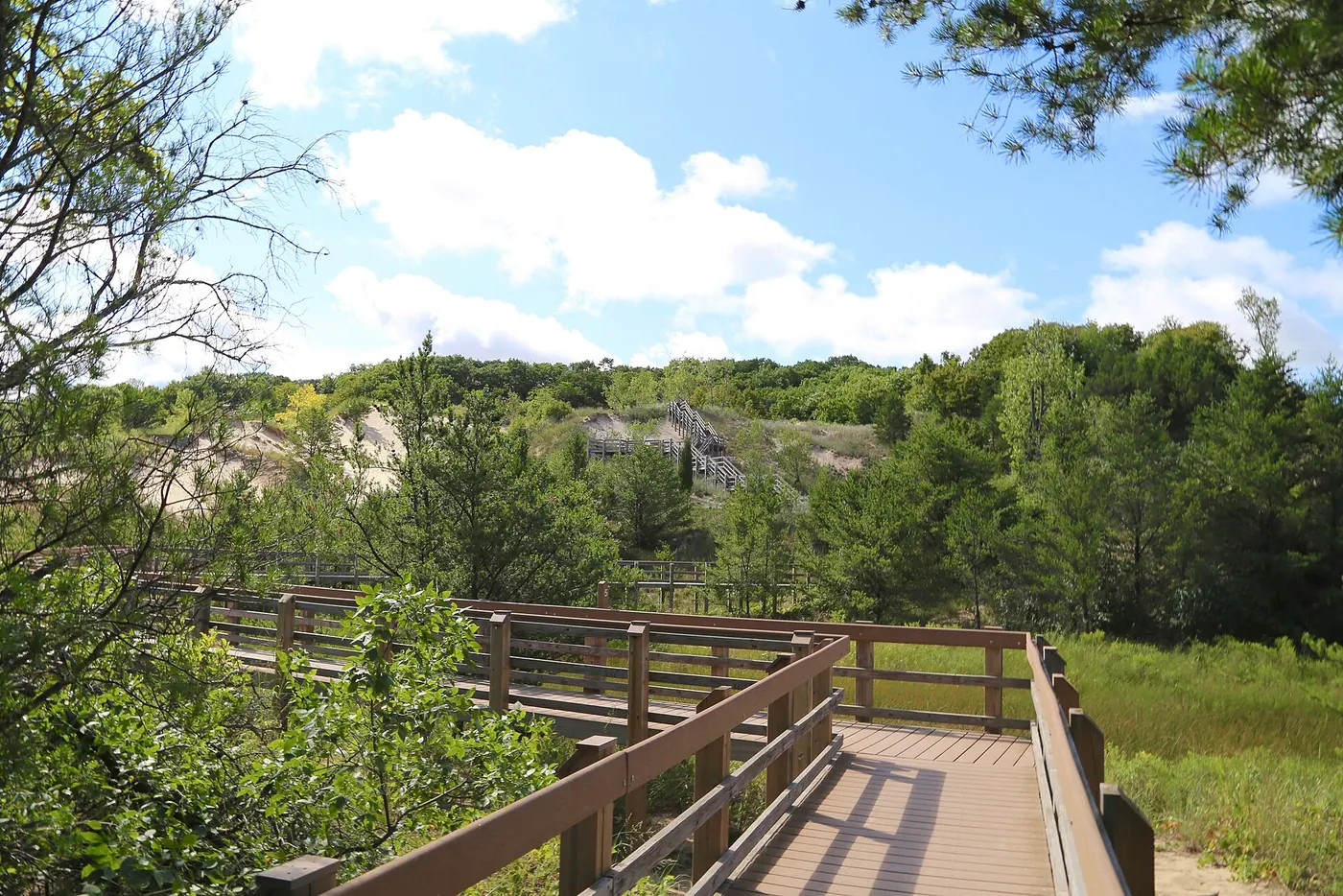
Image of Indiana Dunes National Park
Photo: Indianadunes · CC BY 4.0 ↗

CHOOSE YOUR OWN WAY

Start with a place that fits your pace.

These are editorial starting points. Reference counts show linked source records, not popularity or ratings. Check current access information before setting out.

01 · Outdoors2 source records

Indiana Dunes National Park

The park stretches 15 miles along Lake Michigan, where wind and waves have sculpted a mosaic of sand dunes, woodlands, prairies, and wetlands across 16,000 acres. Over 50 miles of trails weave through these habitats, offering hikers, birdwatchers, and nature lovers a chance to encounter striking plant diversity and abundant birdlife. The dynamic shoreline and varied ecosystems make the dunes a premier outdoor destination in Indiana, providing both scenic vistas and quiet natural immersion.

Before you go: Allocate a half‑day for a morning hike to capture sunrise, dunes, and wetland views before heading south.

02 · History2 source records

Lincoln Boyhood National Memorial

This site preserves the southern Indiana landscape where Abraham Lincoln spent his formative years. The memorial interprets how the frontier environment and family farm shaped Lincoln’s character and moral outlook, offering visitors a tangible connection to the future president’s early life. Exploring the boyhood home and surrounding fields provides insight into the humble origins of one of America’s most respected leaders, making it a compelling stop for history enthusiasts.

Before you go: Spend about an hour at the interpretive center to walk the historic farmstead and learn Lincoln’s early story.

03 · History2 source records

George Rogers Clark National Historical Park

The park commemorates the 1779 capture of Fort Sackville by Colonel George Rogers Clark’s forces, a decisive victory that secured United States claims to the western frontier. The site highlights the strategic importance of the fort and the challenging march through freezing floodwaters that led to the surrender. Visiting the fort’s remains and interpretive displays offers a concise glimpse into early American military history and the expansion of the young nation.

Before you go: Plan a brief 45‑minute walk through the fort area to absorb the historic significance.

04 · History2 source records

Lewis & Clark National Historic Trail

Spanning nearly 4,900 miles, the trail follows the outbound and inbound routes of the 1803‑1806 Lewis and Clark Expedition. It traverses the homelands of more than 60 Tribal nations, linking diverse cultural landscapes and the expedition’s legacy. While the full trail extends far beyond Indiana, a nearby segment provides a tangible connection to the historic journey, allowing travelers to reflect on the exploration’s impact on the nation’s growth and on Indigenous peoples.

Before you go: Drive a scenic segment with pull‑outs, spending roughly two hours to experience the trail’s historic atmosphere.

MAKE THE MOST OF YOUR VISIT

Turn the places into a plan.

Choosing Your Stops: Matching Interests to Sites

Indiana offers a compact mix of outdoor wonder and pivotal American history. If you thrive on trail‑blazing scenery, the dunes’ 15‑mile shoreline, 50 miles of paths, and rich plant‑bird tapestry make a natural priority. History enthusiasts can anchor their trip around Lincoln Boyhood National Memorial, where the future president’s early life is interpreted, or George Rogers Clark National Historical Park, which marks the 1779 Fort Sackville victory that secured the young nation’s western claims. For a broader narrative, the Lewis & Clark National Historic Trail threads together tribal lands and expedition legacy across nearly 5,000 miles. Start by ranking these themes—nature, presidential heritage, frontier military, or expedition route—to decide which stops align with your travel goals.

A Flexible Visit Sequence: Building a Flowing Itinerary

A practical loop begins at the northern coast: spend a morning at Indiana Dunes to capture sunrise over Lake Michigan and a quick dune hike. Drive southward to Lincoln Boyhood National Memorial, allowing a brief stop to walk the historic farmstead before heading further south to George Rogers Clark National Historical Park, where the fort’s interpretive area fits a short afternoon visit. Finally, loop back northward to a convenient segment of the Lewis & Clark National Historic Trail—perhaps a scenic drive with pull‑outs that echo the expedition’s path. This sequence minimizes back‑tracking while letting you shift focus from nature to history and back again, and each leg can be stretched or trimmed based on time.

Booking and Access: Practical Checks Before You Go

All four sites are administered by the National Park Service and listed on Recreation.gov, so a quick online check confirms current operating hours, any required permits, and seasonal trail conditions. Indiana Dunes’ extensive trail network may have sections closed after heavy storms, while the memorials often have limited visitor centers in winter. Verify parking availability, especially at the dunes where popular trailheads fill quickly on weekends. If you plan to drive a Lewis & Clark segment, confirm that the chosen pull‑outs are open to the public and that any nearby state parks have up‑to‑date road information. A pre‑trip glance at each site’s official page prevents surprises.

Traveler Trade‑offs: Time, Energy, and Experience Balance

Balancing depth with distance is the core trade‑off. Dedicating a full day to Indiana Dunes lets you explore multiple habitats—sand, prairie, wetland—but reduces time for historic sites. Conversely, a rapid “high‑lights” tour squeezes all four stops into two days, demanding early starts and longer drives, which may limit immersion at each location. Consider your energy level: dune hikes can be physically demanding, while the memorials involve more reflective walking. If you value narrative continuity, placing the Lewis & Clark segment after the frontier fort ties the story of westward expansion together. Adjust the itinerary to match your preferred mix of activity and contemplation.

BOOK YOUR OWN WAY

Explore options for your dates.

These links open booking partners. Some are affiliate links: WTDO may earn a commission. Final prices, availability and terms are shown by the provider. A destination may not carry through every partner link.

Compare places to stay ↗Find tours and experiences ↗Compare rental cars ↗Compare flights ↗

LET'S MAKE THIS YOUR TRIP

The list is a beginning. Your day is the point.

Carry the destination into a free plan, or explore more of Indiana.

Plan my trip ↗Explore indiana →

Editorial review: 2026-10-08. Official links were tested for reachability during research. Editorial approval does not guarantee current hours, access or availability; check each official site.