WTDO USA

THE WTDO FIELD GUIDE · Kansas

Kansas Historic Trailfield Guide: Six Must‑See Sites & Planning Tips

This guide treats Kansas’s historic outdoors as a living classroom, pairing authentic 19th‑century forts, trail routes, and civil‑rights landmarks with practical field‑trip planning. By weaving together themes of frontier defense, rapid communication, and the struggle for equality, travelers can experience both the landscape and the stories that shaped the state. The guide offers adaptable sequencing, essential reservation checks, and clear trade‑off analysis so each visitor can tailor depth of immersion to time, budget, and personal interest.

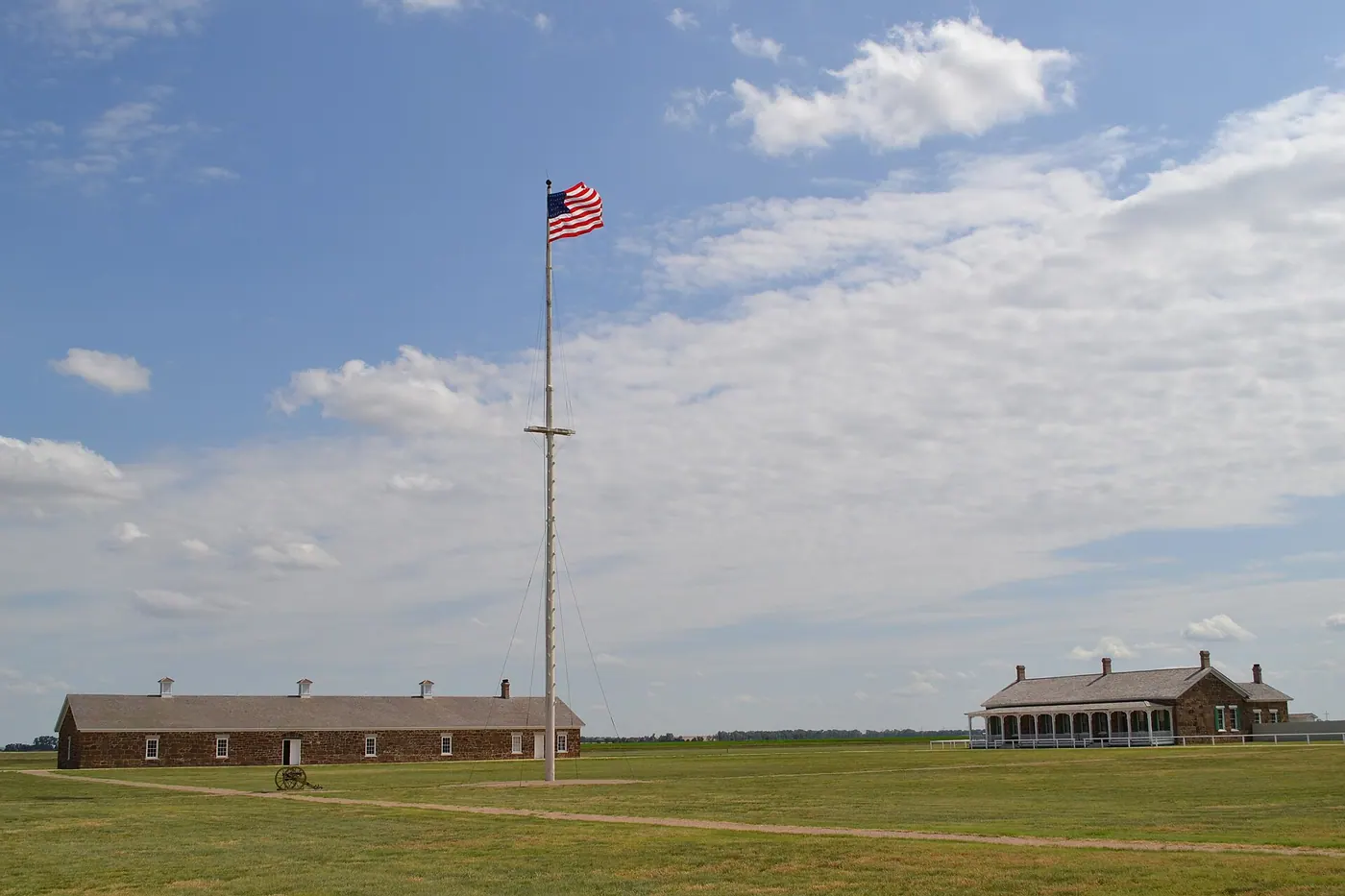
Image of Fort Larned National Historic Site
Photo: National Trails Office (US National Park Service) · Public domain ↗

CHOOSE YOUR OWN WAY

Start with a place that fits your pace.

These are editorial starting points. Reference counts show linked source records, not popularity or ratings. Check current access information before setting out.

01 · History2 source records

Fort Larned National Historic Site

Fort Larned National Historic Site preserves a complete 1860s‑1870s army post on the historic Santa Fe Trail. Its sandstone structures let visitors walk the same ground where soldiers guarded western trade routes during the Indian Wars, offering a tangible connection to frontier military life and the challenges of protecting commerce across the plains.

Before you go: Prioritize this stop if you want an immersive look at frontier defense; allocate at least two hours for the museum and a self‑guided walk of the barracks.

02 · History2 source records

Pony Express National Historic Trail

The Pony Express National Historic Trail showcases the daring 10‑day horse‑riding mail service that linked Missouri to California before the telegraph. Riding along its remnants highlights the speed and bravery of young riders who forged the nation’s first rapid east‑west communication line, a pivotal moment in American expansion.

Before you go: Visit as a short stop—30‑45 minutes of interpretive signage—unless you plan a longer horseback or bike ride along the trail’s historic corridor.

03 · History2 source records

Brown v. Board of Education National Historical Park

Brown v. Board of Education National Historical Park tells the story of the 1954 Supreme Court decision that ended school segregation. The site commemorates the community activists, teachers, and families whose courage propelled the civil‑rights movement forward, making it a powerful stop for understanding Kansas’s role in national equality struggles.

Before you go: Schedule a focused 45‑minute visit to the visitor center and any scheduled talks; it’s ideal for travelers interested in social history and civil‑rights education.

04 · History2 source records

Fort Scott National Historic Site

Fort Scott National Historic Site captures a pivotal frontier fort from 1842‑1873, surrounded by tallgrass prairie. Its preserved parade ground, structures, and natural landscape illustrate how the young republic expanded westward, offering insight into military‑settler interactions and the transformation of the Great Plains into a transcontinental nation.

Before you go: Allow about an hour for a walk of the grounds and a quick look at the interpretive exhibits; combine it with nearby prairie hikes if you enjoy nature alongside history.

05 · History2 source records

Lewis & Clark National Historic Trail

The Lewis & Clark National Historic Trail stretches nearly 4,900 miles through the homelands of over 60 tribal nations, tracing the 1803‑1806 expedition from the Mississippi to the Pacific. In Kansas, the trail highlights the expedition’s encounters with indigenous peoples and the diverse ecosystems that shaped early American exploration.

Before you go: Treat this as a scenic waypoint—spend 20‑30 minutes at any trail marker, then continue to the next historic site; consider a longer hike if you’re a trail enthusiast.

06 · History2 source records

Nicodemus National Historic Site

Nicodemus National Historic Site preserves the oldest surviving Black settlement west of the Mississippi River. Founded by formerly enslaved African Americans seeking freedom after Reconstruction, the town embodies the homesteading spirit and the quest for self‑determination on the Great Plains, offering a unique cultural perspective rarely found elsewhere in Kansas.

Before you go: Visit for about 45 minutes to explore the historic buildings and learn about the community’s legacy; it’s a must‑see for those interested in African‑American pioneer history.

MAKE THE MOST OF YOUR VISIT

Turn the places into a plan.

How to Choose Your Stops

Start by matching each site’s core story to your travel goals. If frontier military life intrigues you, forts like Larned and Scott deliver intact barracks and parade grounds. For communication history, the Pony Express corridor offers a glimpse of early mail speed. Civil‑rights enthusiasts will find the Brown v. Board park a powerful narrative hub. Consider geographic clustering to reduce drive time, and weigh whether you prefer a deep dive at fewer locations or a broader sweep across the state’s diverse historic themes.

Suggested Flexible Visit Sequence

A practical loop begins in western Kansas at Fort Larned, then heads east to the Pony Express Trail segment, continues southeast to the Brown v. Board site, loops north to Fort Scott, swings west along the Lewis & Clark Trail corridor, and finishes at Nicodemus before returning to your start point. Because each stop stands alone, you can reorder based on lodging availability or seasonal weather without losing narrative continuity. Keep daily mileage under 150 mi for comfortable pacing and leave buffer days for unexpected discoveries.

Practical Booking & Access Checks

All six locations are managed by the National Park Service and listed on Recreation.gov, so verify operating hours, seasonal closures, and any required permits before you travel. Some sites, like Fort Larned, may have limited visitor centers in winter, while others, such as Nicodemus, rely on volunteer‑run tours that run on specific days. Check the NPS website for ranger‑led program schedules, and consider reserving parking or campsite spots early during peak summer months. Bring a printed copy of each site’s address and a charged GPS device, as cellular service can be spotty in rural Kansas.

Traveler Tradeoffs to Consider

Depth versus breadth is the primary trade‑off. Spending a full morning at Fort Larned lets you explore the sandstone barracks and interpretive displays, but it reduces time for the longer Lewis & Clark trail segment later. Conversely, a rapid‑stop approach lets you tick all six boxes in a long weekend, yet you may miss nuanced stories like the post‑Civil War homesteading experience at Nicodemus. Factor in driving fatigue, accommodation costs, and the desire for guided versus self‑guided experiences when shaping your itinerary.

BOOK YOUR OWN WAY

Explore options for your dates.

These links open booking partners. Some are affiliate links: WTDO may earn a commission. Final prices, availability and terms are shown by the provider. A destination may not carry through every partner link.

Compare places to stay ↗Find tours and experiences ↗Compare rental cars ↗Compare flights ↗

LET'S MAKE THIS YOUR TRIP

The list is a beginning. Your day is the point.

Carry the destination into a free plan, or explore more of Kansas.

Plan my trip ↗Explore kansas →

Editorial review: 2026-10-08. Official links were tested for reachability during research. Editorial approval does not guarantee current hours, access or availability; check each official site.