01How to Choose Your Stops
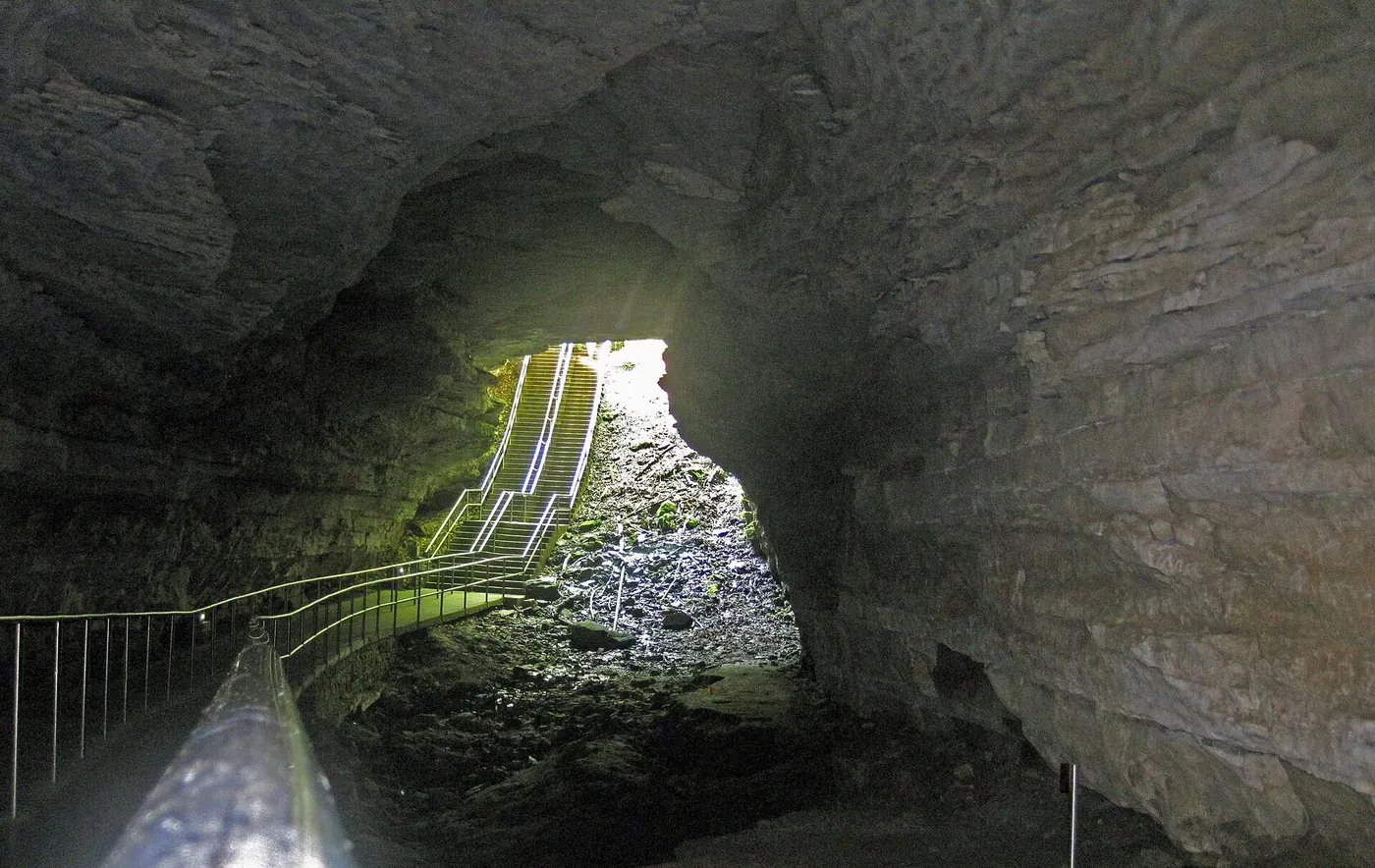
Start by ranking your primary interests: underground exploration, river‑side recreation, or historic immersion. Kentucky’s six federal sites each excel in one or more of these categories. If caves and biodiversity draw you, Mammoth Cave National Park delivers the world’s longest known cave system and a UNESCO‑designated biosphere. For presidential heritage, the Abraham Lincoln Birthplace offers the nation’s first memorial to the 16th president. Outdoor enthusiasts seeking rugged river gorges will find the Big South Fork River & Recreation Area’s sandstone bluffs ideal. Civil‑War scholars should prioritize Camp Nelson, Cumberland Gap, and Fort Donelson, each preserving distinct wartime narratives. Use this interest matrix to trim or expand the list before plotting mileage.
02Suggested Flexible Visit Sequence
A practical loop begins near central Kentucky, where the Lincoln birthplace sits close to the state’s heartland. From there, head south‑west to Mammoth Cave for a day of guided tours and surface hikes. Continue westward to the Big South Fork area, where the river’s free‑flowing stretches invite longer outdoor sessions. Loop north‑east to Camp Nelson, then swing north to the Cumberland Gap, which straddles three states and offers both trail and cave experiences. Finish the circuit at Fort Donelson in the western corner, a concise stop that caps the Civil‑War storyline. Because each site is reachable via interstate and state highways, you can reorder stops based on lodging availability or seasonal weather without breaking the thematic flow.
03Practical Booking & Access Checks
Before you set out, verify operating hours, reservation requirements, and accessibility on the National Park Service website and its partner Recreation.gov portal for each location. Mammoth Cave, for example, often requires timed cave tour tickets, especially in peak summer months. The Big South Fork’s trailheads may have seasonal closures after heavy rain. Historic sites such as Camp Nelson and Fort Donelson typically offer free entry but may limit visitor numbers for special programs. Check for ADA‑accessible paths if needed, and confirm any required permits for backcountry camping in the Cumberland Gap wilderness. Keeping a quick spreadsheet of URLs and phone numbers will streamline last‑minute changes.
04Traveler Tradeoffs
Balancing depth versus breadth is the core trade‑off. Spending a full day inside Mammoth Cave’s labyrinth yields a richer speleological experience, but it reduces time for the surrounding hills and river valleys. Conversely, a rapid pass‑through of the three historic parks (Camp Nelson, Cumberland Gap, Fort Donelson) lets you sample key Civil‑War moments while preserving daylight for outdoor recreation at Big South Fork. Driving distances between sites range from 60 to 120 miles, so factor in fuel and fatigue. If you prefer minimal back‑tracking, prioritize the loop described above; if you have a tight schedule, consider dropping either the Lincoln birthplace or the Big South Fork, depending on whether cultural or natural attractions matter more to you.