01How to Choose Your Stops
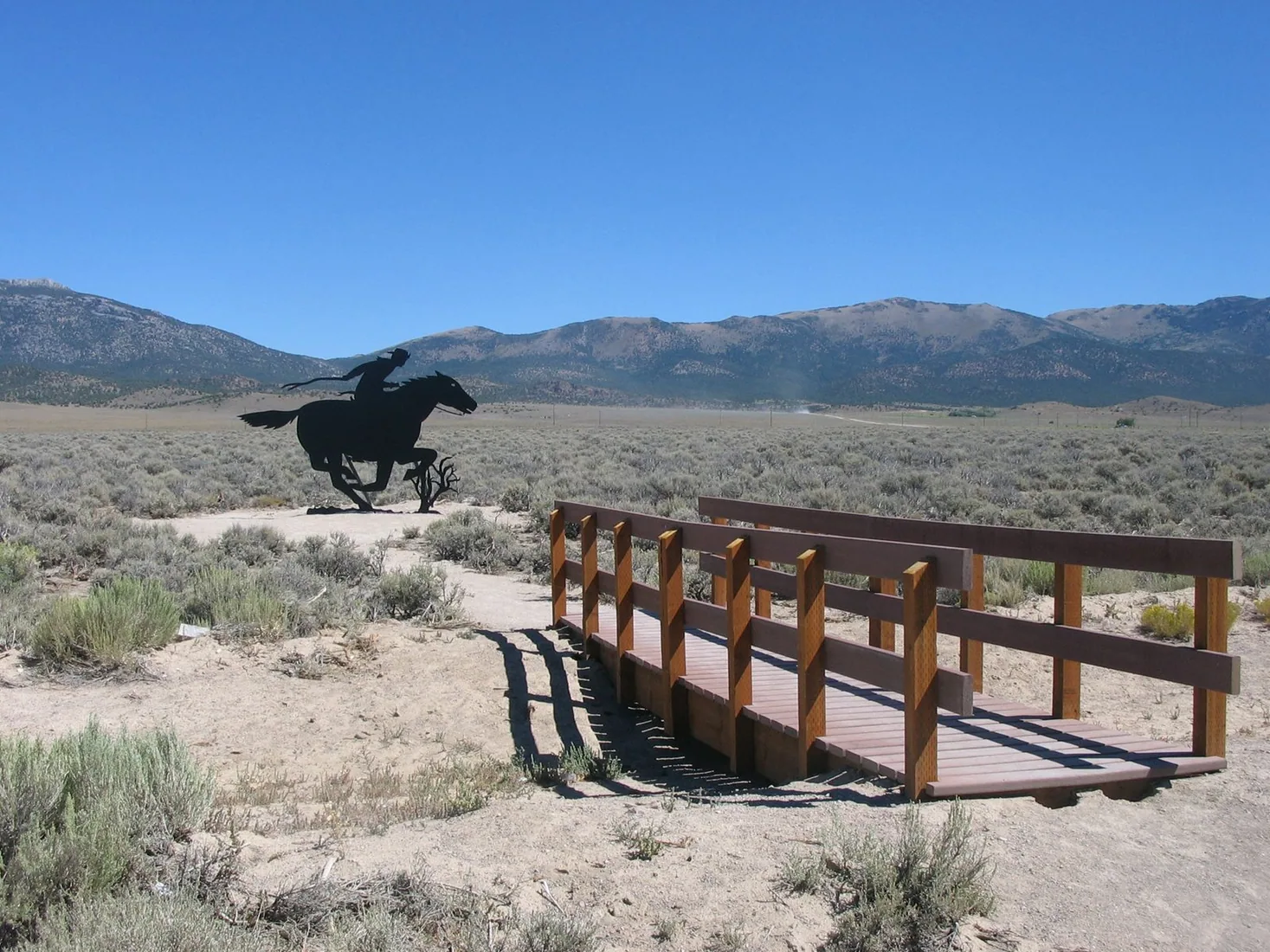
Begin by matching each site’s core theme to your interests—mail‑route history, presidential legacy, scientific heritage, or expansive trail experiences. The six stops span three categories: History (Pony Express, Butterfield Overland, George Washington Carver, Harry S Truman, Lewis & Clark) and Outdoors (Gateway Arch). Consider travel distance, available time, and whether you prefer urban landmarks or remote trail segments. Prioritizing a mix of cultural depth and natural scenery often yields the most rewarding itinerary.
02A Flexible Visit Sequence
A logical flow starts in St. Louis with the Gateway Arch, then heads eastward to the Truman site, moves north to Carver’s monument, and continues westward along the historic mail routes before ending on the Lewis & Clark Trail. This sequence respects typical highway patterns but remains adaptable—if a site’s hours or weather shift, you can reorder stops without breaking the narrative of westward expansion.
03Practical Booking and Access Checks
All locations are managed by the National Park Service and listed on Recreation.gov. Before you travel, verify operating hours, seasonal closures, and any reservation requirements on those sites. Some historic homes, such as the Truman and Carver sites, may limit entry during peak periods, so a pre‑booked timed ticket can save waiting time. Check for parking fees, accessibility options, and whether guided tours are offered to enhance interpretation.
04Traveler Trade‑offs to Consider
Balancing depth versus breadth is key. Spending a full day at the Gateway Arch and Truman site offers richer context but reduces mileage for the longer Lewis & Clark Trail segment. Conversely, a rapid drive‑through of the mail‑route trails maximizes distance covered but may miss nuanced storytelling. Factor in seasonal weather—spring brings blooming gardens at Carver’s monument, while summer heat can make extended trail hikes more demanding. Choose the mix that aligns with your stamina and curiosity.