WTDO USA

THE WTDO FIELD GUIDE · Montana

Montana’s Historic and Wild Frontier: A Flexible 6‑Stop Field Guide

This guide blends Montana’s rich military‑history sites with its world‑renowned wilderness, giving travelers a clear framework for choosing stops, arranging a flexible route, and weighing practical compromises. Drawing only from official park facts, it offers actionable planning sections—how to pick attractions, a suggested visit order that can shift with weather or time, essential booking checks, and the key trade‑offs between driving distance, depth of experience, and crowd levels—so you can craft a personalized, evidence‑based itinerary across six distinct federal places.

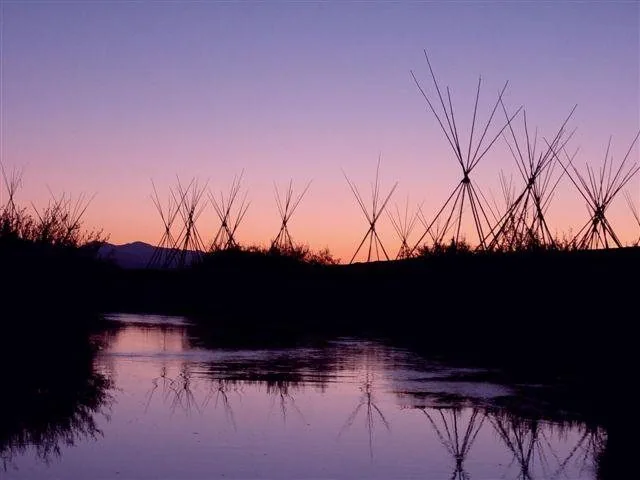
Image of Big Hole National Battlefield
Photo: NPS Photo ↗

CHOOSE YOUR OWN WAY

Start with a place that fits your pace.

These are editorial starting points. Reference counts show linked source records, not popularity or ratings. Check current access information before setting out.

01 · History2 source records

Big Hole National Battlefield

Big Hole National Battlefield marks the August 1877 clash where Nez Perce warriors and U.S. soldiers fought amid a chilling dawn. The site honors both the 90 Nez Perce and 31 soldiers who fell, offering interpretive displays that frame the tragedy within broader western conflict.

Before you go: Visit for a concise, reflective look at Nez Perce resistance and military history.

02 · Outdoors2 source records

Glacier National Park

Glacier National Park showcases melting glaciers, alpine meadows, carved valleys, and spectacular lakes. With over 700 miles of trails, historic chalets, and the famed Going‑to‑the‑Sun Road, it delivers both rugged adventure and cultural heritage.

Before you go: Allocate a full day—or more—to explore trails, scenery, and historic structures.

03 · History2 source records

Grant-Kohrs Ranch National Historic Site

Grant‑Kohrs Ranch National Historic Site preserves the symbols of the American West: open ranges, hard‑working cowboys, spirited cow ponies, and the legacy of a 10 million‑acre cattle empire that shaped Montana’s economy.

Before you go: Plan a short stop to grasp western ranching heritage and see historic ranch buildings.

04 · History2 source records

Little Bighorn Battlefield National Monument

Little Bighorn Battlefield National Monument commemorates the June 1876 clash where Lakota, Cheyenne, and Arapaho warriors fought the U.S. 7th Cavalry. The land invites reflection on the battle’s lasting impact on Indigenous communities and western expansion.

Before you go: Dedicate a focused visit to understand the battle’s cultural and historical significance.

05 · History2 source records

Nez Perce National Historical Park

Nez Perce National Historical Park links 38 sites across the inland northwest, illustrating the nimíipuu’s resilient adaptation from pre‑colonial times through U.S. settlement. The network tells a deep, living story of culture and survival.

Before you go: Select one or two nearby components to fit your schedule while experiencing Nez Perce heritage.

06 · Outdoors2 source records

Yellowstone National Park

Yellowstone National Park, established March 1 1872, was the world’s first national park. Its unique hydrothermal wonders, abundant wildlife, and extensive backcountry make it a magnet for campers, hikers, and sightseers alike.

Before you go: Set aside at least a full day, preferably more, to experience geothermal features and wildlife.

MAKE THE MOST OF YOUR VISIT

Turn the places into a plan.

How to Choose Your Stops

Montana’s federal sites fall into two clear buckets: historic battlefields and ranches, and natural‑landscape parks. If you’re drawn to stories of the Nez Perce, Custer, or the cattle empire, prioritize the four history‑focused locations (Big Hole, Little Bighorn, Grant‑Kohrs Ranch, Nez Perce National Historical Park). If outdoor recreation, wildlife, and dramatic scenery are your main draw, let Glacier and Yellowstone lead the list. Consider the time you have—history sites can often be explored in a few hours, while the parks usually merit a full day or more. Balance your interests by mixing at least one historic stop with one outdoor stop each day, ensuring you get both cultural context and natural immersion.

A Suggested Flexible Visit Sequence

Because the six sites stretch across southern, central, and north‑western Montana, a loop works well. Start in the south with Yellowstone, then head east to Big Hole and Little Bighorn. Continue north to Grant‑Kohrs Ranch, swing west to the Nez Perce National Historical Park, and finish up in the north‑west at Glacier. This order follows a generally clockwise motion, minimizing back‑tracking, but each leg can be swapped if weather or road closures demand it. For example, if snow closes Going‑to‑the‑Sun Road early in the season, you can push Glacier to the end of the trip when conditions improve.

Practical Booking and Access Checks

All six locations are managed by the National Park Service and listed on Recreation.gov. Before you set out, verify any required permits—Yellowstone and Glacier often need campsite reservations in peak months. Check seasonal road closures; Glacier’s iconic road may be limited by snow, while some historic sites remain open year‑round but with reduced staffing. Review the latest visitor‑center hours, especially at battlefields where interpretive programs run on specific days. Finally, confirm lodging options early; park lodges fill quickly, and nearby towns may offer the only alternatives during high‑season weekends.

Traveler Trade‑offs to Weigh

Driving between sites can add up—Yellowstone to Glacier is a multi‑hour trek—so decide whether you value longer drives for varied scenery or shorter, deeper stays. History‑focused stops give concise, reflective experiences but may feel rushed if you linger too long; parks demand more time for hiking, wildlife viewing, and photography. Crowds are another factor: Yellowstone and Glacier draw the biggest numbers, especially in summer, while battlefields and the ranch tend to be quieter. Weigh your tolerance for crowds against your desire to see iconic landscapes, and adjust your schedule accordingly.

BOOK YOUR OWN WAY

Explore options for your dates.

These links open booking partners. Some are affiliate links: WTDO may earn a commission. Final prices, availability and terms are shown by the provider. A destination may not carry through every partner link.

Compare places to stay ↗Find tours and experiences ↗Compare rental cars ↗Compare flights ↗

LET'S MAKE THIS YOUR TRIP

The list is a beginning. Your day is the point.

Carry the destination into a free plan, or explore more of Montana.

Plan my trip ↗Explore montana →

Editorial review: 2026-10-03. Official links were tested for reachability during research. Editorial approval does not guarantee current hours, access or availability; check each official site.