WTDO USA

THE WTDO FIELD GUIDE · Nebraska

Nebraska’s Historic Trails & Natural Gems: A Field Guide for Adventurous Travelers

Nebraska’s federally protected places weave together the drama of westward expansion, pioneering science, and untamed river scenery. From the lightning‑fast Pony Express mail route to the Miocene fossils at Agate, the Homestead Act’s legacy, the epic Lewis & Clark trek, the wild Missouri River, and the Mormon pioneers’ 1,300‑mile journey, each site tells a distinct chapter of American history and natural wonder. This guide shows how to match those stories to your interests, build a fluid travel plan, and balance time, comfort, and immersion so you can experience the state’s depth without feeling rushed.

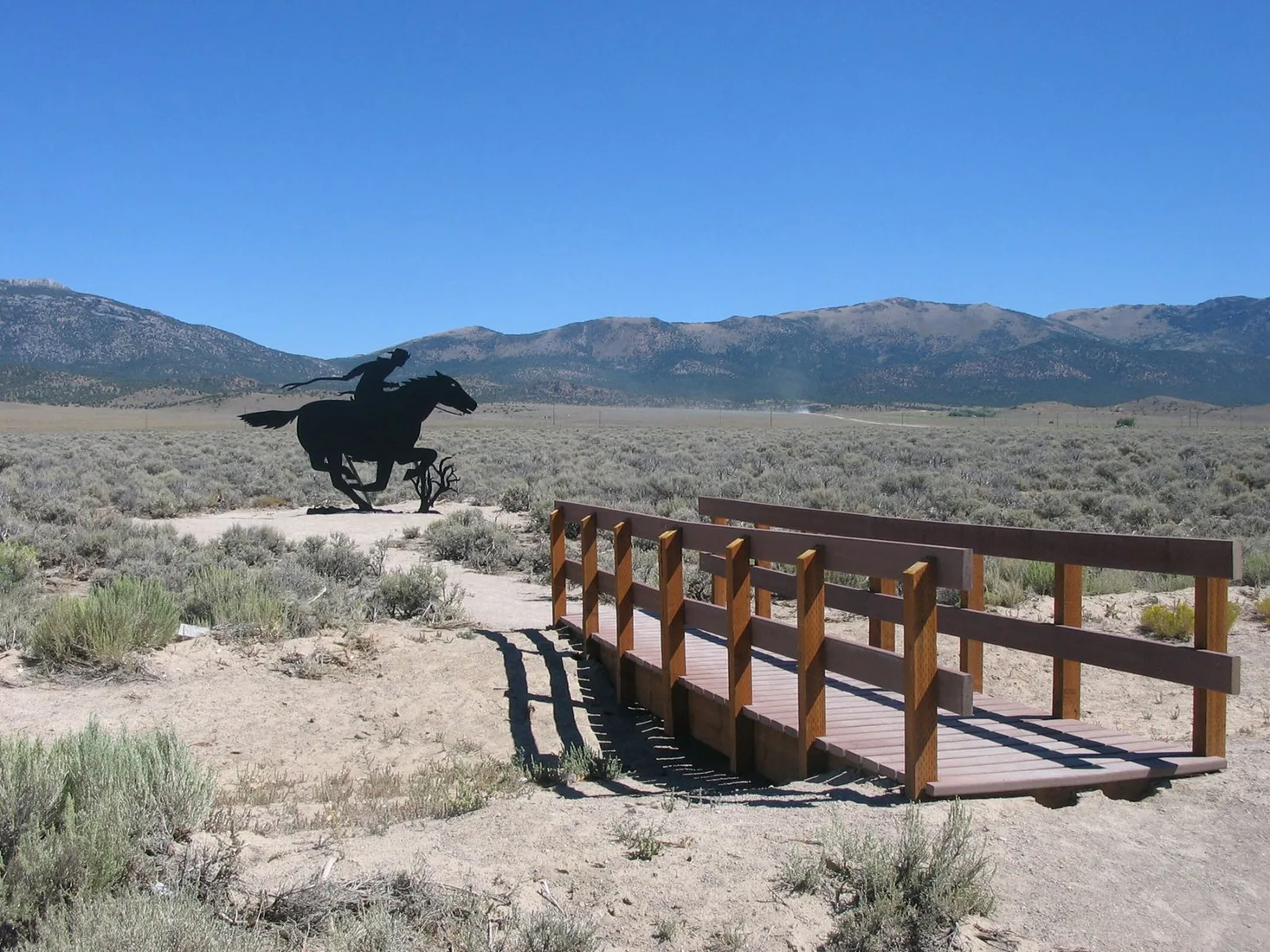
Image of Pony Express National Historic Trail
Photo: NPS photo ↗

CHOOSE YOUR OWN WAY

Start with a place that fits your pace.

These are editorial starting points. Reference counts show linked source records, not popularity or ratings. Check current access information before setting out.

01 · History2 source records

Pony Express National Historic Trail

The Pony Express National Historic Trail marks the daring 10‑day horse‑mail service that linked Missouri to California before the telegraph. Riding through eight states, the route showcases the fastest east‑west communication of its era, offering a tangible glimpse into 19th‑century frontier urgency and endurance.

Before you go: Suggestion: Allocate a half‑day to stop at a trail marker, read the interpretive panels, and photograph the historic landscape before moving on.

02 · History2 source records

Agate Fossil Beds National Monument

Agate Fossil Beds National Monument preserves a rare concentration of complete Miocene mammal skeletons, revealing an entire ecosystem that existed millions of years ago. The site also tells the story of early 20th‑century collaboration between rancher James Cook and Lakota Chief Red Cloud, adding cultural depth to the scientific marvel.

Before you go: Suggestion: Spend a morning on the fossil walk, bring a field guide, and allow extra time for the visitor center’s short film on the discoveries.

03 · History2 source records

Homestead National Historical Park

Homestead National Historical Park interprets the transformative Homestead Act of 1862, which opened millions of acres to families, immigrants, women, and formerly enslaved people. The park illustrates how this legislation reshaped the American landscape and the lives of those who pursued the Dream of land ownership.

Before you go: Suggestion: Visit the visitor center for a concise overview, then stroll the historic farmstead trail; it’s a family‑friendly stop that fits well into a lunch break.

04 · History2 source records

Lewis & Clark National Historic Trail

The Lewis & Clark National Historic Trail stretches nearly 4,900 miles through the homelands of over 60 tribal nations, tracing the 1803‑1806 expedition from the Ohio River to the Pacific. The trail highlights the complex legacy of exploration, indigenous interaction, and scientific discovery across the continent.

Before you go: Suggestion: Drive a short segment that includes interpretive signs, pause at a viewpoint, and use the NPS app for audio commentary on the expedition’s milestones.

05 · Outdoors2 source records

Missouri National Recreational River

The Missouri National Recreational River protects a 100‑mile free‑flowing stretch of North America’s longest river, showcasing the untamed character of the Missouri as it once cut through the American West. The river’s wild banks and islands provide a living laboratory for ecology and recreation.

Before you go: Suggestion: Plan a scenic drive along the river’s bluffs, and if water levels permit, schedule a brief kayak outing to experience the river’s natural vigor.

06 · History2 source records

Mormon Pioneer National Historic Trail

The Mormon Pioneer National Historic Trail follows the 1,300‑mile trek taken by Mormon settlers fleeing Nauvoo, Illinois, in 1846‑1847 to reach the Great Salt Lake Valley. The trail preserves the hardships, faith, and determination of those early pioneers as they crossed the plains.

Before you go: Suggestion: Stop at a trail marker, read the plaque, and reflect on the migration; it’s a low‑time, high‑impact way to honor the pioneers.

MAKE THE MOST OF YOUR VISIT

Turn the places into a plan.

How to Choose Your Stops

Start by ranking what draws you most—whether it’s deep‑dive history, paleontology, or river recreation. Nebraska’s six federal sites cluster into three themes: historic communication (Pony Express), fossil heritage (Agate), settlement and exploration (Homestead, Lewis & Clark, Mormon Pioneer), and pure outdoors (Missouri River). Consider seasonality; river activities peak in late spring‑summer, while indoor interpretive centers remain open year‑round. Map the sites against your base city to gauge daily drive times, and decide if you prefer a single‑day highlight or a multi‑day immersion. This thematic filter helps you pick a mix that satisfies both curiosity and logistics.

A Flexible Visit Sequence

Because the sites are spread across the state, a loop works best. Begin in western Nebraska with the Pony Express Trail, then swing east to Agate Fossil Beds, continue southeast to Homestead National Historical Park, head north to the Lewis & Clark Trail segment, dip south to the Missouri National Recreational River, and finish back west at the Mormon Pioneer Trail. The order can be reshuffled based on weather (e.g., prioritize river paddling when water levels are high) or lodging availability. Each leg is under three hours of driving, allowing you to add or drop stops without breaking the flow.

Practical Booking and Access Checks

All six locations are managed by the National Park Service and listed on Recreation.gov, so start by confirming open hours, reservation requirements, and any seasonal closures. Visitor centers at Homestead and the Missouri River often need timed entry passes during peak months. Trailheads for the Lewis & Clark and Mormon Pioneer routes are free but may have limited parking on weekends. Check road conditions on the NPS site, especially for the remote Pony Express segments, and verify that any guided tours at Agate Fossil Beds are still operating before you arrive.

Traveler Trade‑offs to Consider

Balancing depth versus distance is the biggest decision. Spending a full morning at Agate yields a richer fossil experience, but it adds extra mileage if you’re coming from the eastern sites. Conversely, a quick drive‑through of the Mormon Pioneer Trail offers historical context with minimal time cost. Accommodations are sparse near the western trailheads, so you may need to camp or stay in larger towns like Scottsbluff. Finally, weigh comfort against adventure: kayaking the Missouri River provides unforgettable scenery but requires gear, whereas a scenic drive offers similar views with less effort.

BOOK YOUR OWN WAY

Explore options for your dates.

These links open booking partners. Some are affiliate links: WTDO may earn a commission. Final prices, availability and terms are shown by the provider. A destination may not carry through every partner link.

Compare places to stay ↗Find tours and experiences ↗Compare rental cars ↗Compare flights ↗

LET'S MAKE THIS YOUR TRIP

The list is a beginning. Your day is the point.

Carry the destination into a free plan, or explore more of Nebraska.

Plan my trip ↗Explore nebraska →

Editorial review: 2026-10-07. Official links were tested for reachability during research. Editorial approval does not guarantee current hours, access or availability; check each official site.