Choosing Your Stops
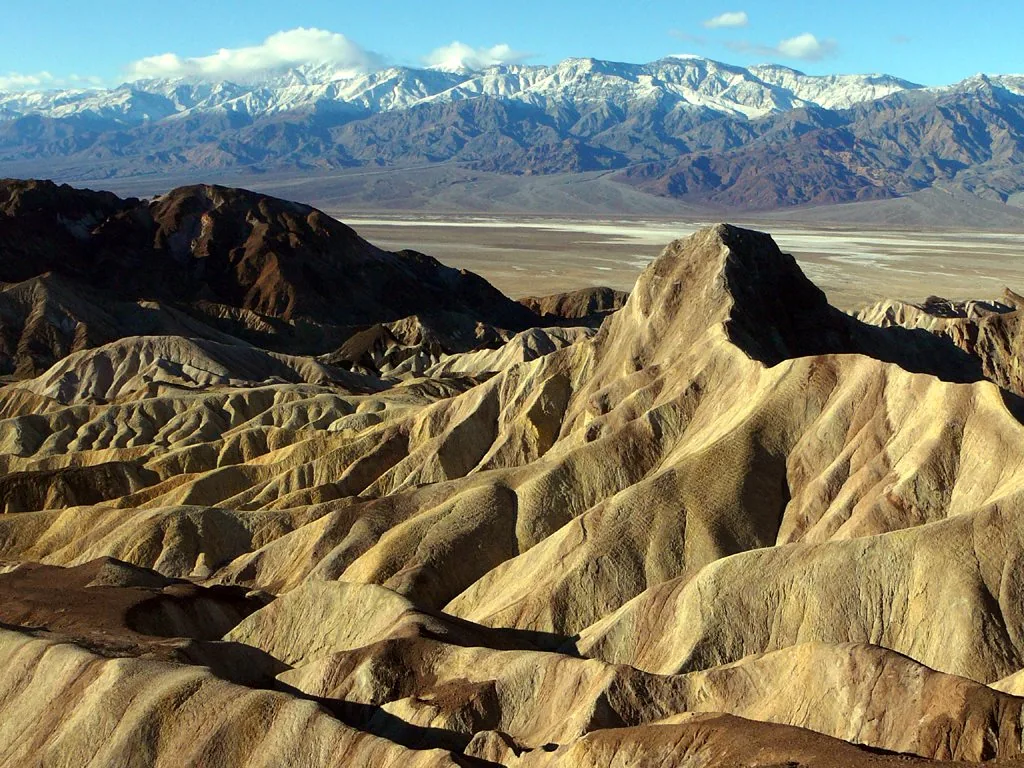
Selecting which federal sites to include hinges on the type of experience you crave. If stark desert drama and surprising bursts of life appeal to you, Death Valley’s below‑sea‑level basin offers scorching heat, snow‑capped peaks, and seasonal wildflower carpets. For altitude, ancient trees, and some of the darkest night skies in the lower 48, Great Basin delivers a 13,000‑foot summit, bristlecone pine groves, and underground caves. Water lovers will find Lake Mead’s 1.5 million‑acre mosaic of reservoirs, canyons, and mountain backdrops ideal for boating, fishing, and scenic drives. History enthusiasts can trace the rapid 10‑day mail relay of the Pony Express Trail, a tangible reminder of pre‑telegraph communication across eight states. Finally, urban explorers interested in deep time should not miss Tule Springs, where fossil beds record half a million years of water‑shaped landscape change in the Las Vegas Valley. By matching each site’s signature attribute to your interests—extremes, altitude, water, historic routes, or paleoenvironments—you can build a balanced itinerary that showcases Nevada’s ecological and cultural breadth. Mixing a high‑altitude wilderness day with a water‑based afternoon, or pairing a historic trail segment with a sunset over an oasis, creates contrast and keeps travel fatigue low.
Suggested Flexible Visit Sequence
A logical flow starts in the south‑west with Death Valley, where you can soak in sunrise over the basin before the heat climbs. From there, head north‑west to Great Basin for cooler mountain air, a summit hike, and stargazing after dark. Loop back south‑east to Lake Mead, where the expansive reservoirs invite a midday boat or fishing excursion, followed by a scenic drive along the shoreline. Continue eastward to the Pony Express National Historic Trail; driving a short segment lets you picture the 10‑day mail run without committing to a long detour. Finally, swing north‑west toward the Las Vegas Valley to explore Tule Springs, an urban fossil site that caps the loop with a glimpse into Nevada’s deep‑time water history. Distances between stops are manageable on a two‑week road trip, but each leg can be shortened or extended based on time constraints, allowing you to skip or add side trips without breaking the overall rhythm.
Practical Booking & Access Checks
All five locations are managed by the National Park Service and listed on Recreation.gov, so start by confirming entry requirements, seasonal road closures, and any reservation systems. Death Valley’s remote roads can be impassable after heavy rain; check the NPS site for current conditions and consider a back‑country permit if you plan off‑road exploration. Great Basin’s high‑elevation trails may require snow gear in winter, and the cave system often has limited daily entries, so book early if you want a guided tour. Lake Mead’s boat launches operate on a first‑come, first‑served basis, but campgrounds and some shoreline sites accept reservations through Recreation.gov during peak summer months. The Pony Express Trail is a public right‑of‑way; no permits are needed, but verify that any private land crossings are open to the public. Tule Springs, situated within the Las Vegas urban fringe, offers free parking at the visitor center, yet the interpretive trail can be crowded on weekends, so a weekday visit may provide a quieter experience. Always carry a printed copy of the latest NPS alerts, as internet access can be spotty in remote areas.
Traveler Trade‑offs
Balancing comfort, cost, and experience is key in Nevada’s diverse terrain. Death Valley promises dramatic scenery but demands heat‑management gear and early‑morning travel to avoid extreme temperatures; opting for a winter visit reduces heat but may limit wildflower displays. Great Basin offers solitude and night‑sky brilliance, yet the high altitude can challenge those unaccustomed to thin air, so you may trade altitude for lower‑elevation hikes if altitude sickness is a concern. Lake Mead provides water‑based recreation at a relatively low cost if you bring your own gear, but boat rentals add expense; consider a day‑trip kayak instead of a full‑day charter to save money. The Pony Express Trail is free to drive, but the historic narrative is less tactile than a museum visit, so weigh the value of a scenic drive against the desire for interpretive programs. Tule Springs sits near a major city, offering easy lodging and dining, but the urban setting can dilute the feeling of remote wilderness; if true isolation is a priority, you might allocate more time to the other, more remote parks. By weighing temperature, altitude, activity cost, and crowd levels, you can shape an itinerary that aligns with your personal comfort zone and budget.