WTDO USA

THE WTDO FIELD GUIDE · New Mexico

New Mexico’s National Treasures: A Flexible Outdoor Field Guide

New Mexico offers a compact yet diverse collection of federally‑managed sites that span ancient cliff dwellings, massive gypsum dunes, deep limestone caverns, and historic overland trails. By pairing the region’s natural spectacles with its rich cultural heritage, travelers can craft a trip that feels both adventurous and reflective. This guide distills the essential decision points—how to prioritize stops, arrange a fluid itinerary, verify access requirements, and weigh the compromises between driving time, physical effort, and depth of experience—so you can tailor a journey that matches your interests without missing the state’s most compelling outdoor and historic highlights.

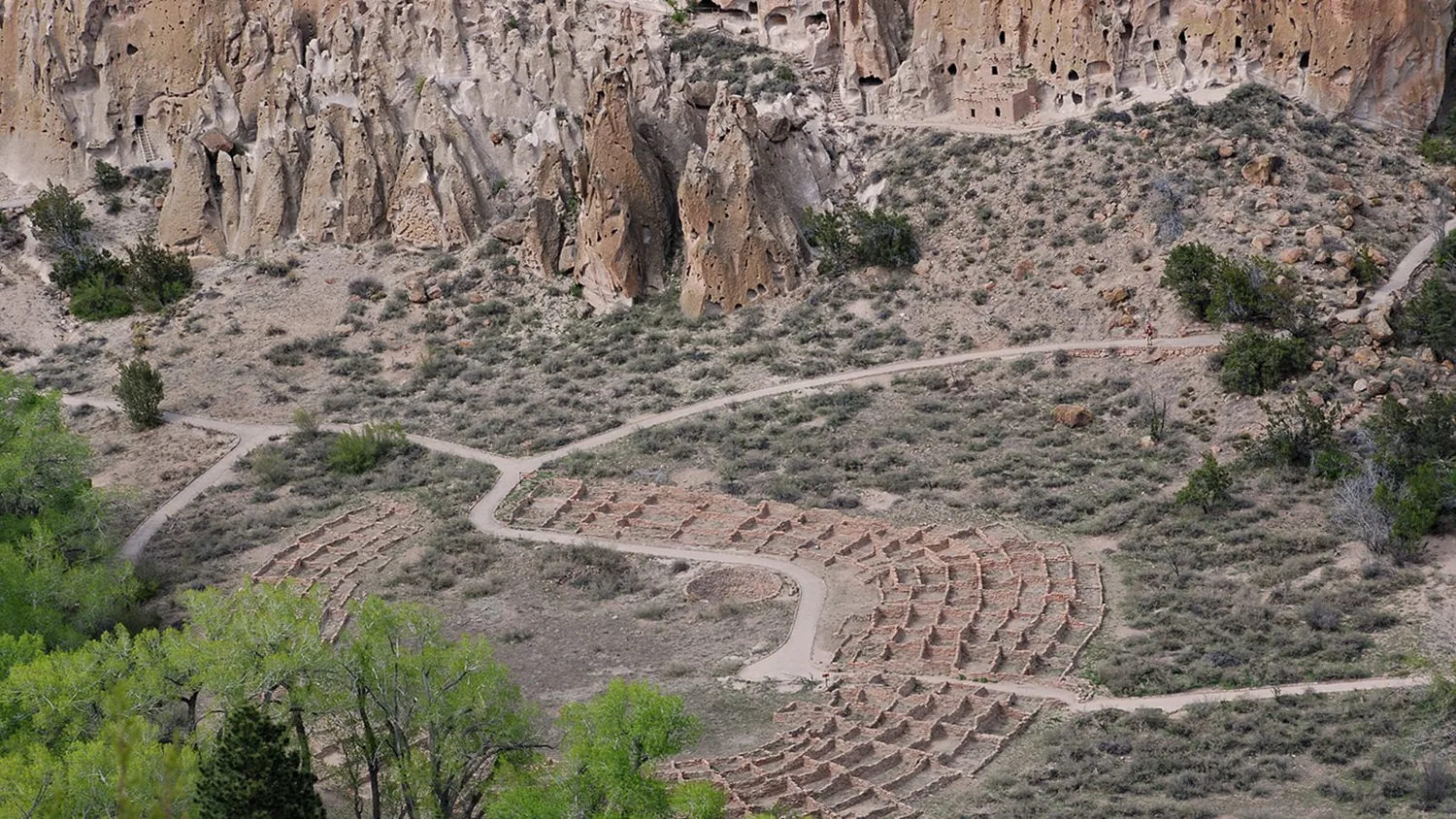
Image of Bandelier National Monument
Photo: NPS Photo/Sally King ↗

CHOOSE YOUR OWN WAY

Start with a place that fits your pace.

These are editorial starting points. Reference counts show linked source records, not popularity or ratings. Check current access information before setting out.

01 · History2 source records

Bandelier National Monument

Bandelier National Monument protects a vast canyon and mesa landscape dotted with ancient cliff dwellings, petroglyphs, and stone walls, offering a tangible link to the ancestral Pueblo culture that still thrives nearby.

Before you go: Include Bandelier if you want immersive archaeology combined with scenic hiking.

02 · Outdoors2 source records

Carlsbad Caverns National Park

Carlsbad Caverns National Park shelters over a hundred limestone caves formed by sulfuric acid, presenting a dramatic underground world beneath the Chihuahuan Desert’s surface.

Before you go: Add Carlsbad Caverns for a unique subterranean adventure and impressive cave formations.

03 · History2 source records

Chaco Culture National Historical Park

Chaco Culture National Historical Park showcases massive stone structures built by the Pueblo people between 850 and 1250 CE, set against a striking desert backdrop and accessible via trails and ranger programs.

Before you go: Visit Chaco for a deep historical experience and expansive canyon vistas.

04 · Outdoors2 source records

White Sands National Park

White Sands National Park contains the world’s largest gypsum dune field, a sparkling expanse of white sand that supports specialized plants and wildlife across 275 square miles.

Before you go: Choose White Sands for an unforgettable desert dune landscape and photo opportunities.

05 · History2 source records

Aztec Ruins National Monument

Aztec Ruins National Monument features some of the best‑preserved Chacoan architecture, including original wooden beams and a restored Great Kiva, complemented by a museum that explains Pueblo life.

Before you go: Stop at Aztec Ruins for concise yet high‑quality exposure to ancient Pueblo engineering.

06 · History2 source records

Butterfield Overland National Historic Trail

Butterfield Overland National Historic Trail marks the 1857 overland mail route that linked the East with the growing West, offering a glimpse into 19th‑century stagecoach travel across the southern rim of the country.

Before you go: Consider the trail segment for a historical perspective on early American transportation.

MAKE THE MOST OF YOUR VISIT

Turn the places into a plan.

How to Choose Your Stops

Start by ranking what draws you most: dramatic landscapes, subterranean wonders, or ancient architecture. Sites like White Sands showcase a rare gypsum dune field, while Bandelier and Aztec Ruins let you walk among cliff‑side dwellings and stone kivas. If you prefer underground exploration, Carlsbad Caverns offers a network of limestone chambers formed by mineral‑rich water. History buffs will find Chaco Culture’s monumental stone complexes and the Butterfield Overland Trail’s 19th‑century mail route compelling. Consider the season—summer heat can be intense in the desert, making early‑morning visits to the dunes more comfortable, whereas spring brings wildflowers to the canyon rims. Finally, map the distances: the six locations form a loose loop across the state, so you can select a subset that fits your time frame while still sampling each major theme.

A Suggested Flexible Visit Sequence

One practical loop begins in the south at White Sands, where the bright dunes are best seen at sunrise. From there, head east to Carlsbad Caverns for an afternoon of guided cave tours. Continue north‑west to the historic Butterfield Overland Trail segment near the town of Deming, allowing a brief stop to imagine 19th‑century stagecoaches. Next, swing west to Aztec Ruins, where the well‑preserved great house and museum provide a concise cultural immersion. Drive further north to Chaco Culture National Historical Park for a full‑day hike among massive stone buildings and expansive vistas. Finally, loop east back to Bandelier National Monument, where cliff‑side petroglyphs and masonry walls cap the journey. This order can be reshuffled—if you have limited days, you might skip the trail segment and focus on the three parks with the most distinct environments. The key is to keep travel legs under three hours where possible, preserving energy for on‑site exploration.

Practical Booking and Access Checks

All six sites are managed by the National Park Service and listed on Recreation.gov, so start by confirming each location’s operating hours and any seasonal closures. While most parks are free to enter, some activities—such as ranger‑led cave tours at Carlsbad Caverns or special programs at Chaco—may require advance reservations. Check the official NPS webpages for alerts about road conditions, especially in canyon areas where flash floods can affect access. If you plan to camp, verify whether the park offers backcountry permits or designated campgrounds; for example, Bandelier has primitive sites that fill quickly in peak season. Finally, ensure your vehicle meets any clearance requirements for unpaved roads leading to remote trailheads, and keep a printed copy of your reservation confirmations in case of spotty cell service.

Traveler Tradeoffs

Balancing drive time against depth of experience is the biggest compromise. A full loop touches every major theme but involves several three‑hour legs, which can be tiring for those seeking leisurely hikes. If you prefer shorter days, prioritize two or three sites that align with your core interest—say, the dunes and caverns for a nature‑focused trip, or Bandelier, Aztec Ruins, and Chaco for a deep dive into Pueblo heritage. Physical ability also matters: the cave stairs at Carlsbad can be steep, while the dune slopes at White Sands are gentle but require sun protection. Respect for Indigenous cultural values is essential; both Aztec Ruins and Chaco are sacred to contemporary Pueblo peoples, so plan visits with mindfulness, follow posted guidelines, and consider attending interpretive talks that emphasize stewardship. Ultimately, the best itinerary reflects the mix of scenery, history, and effort you’re comfortable with, while leaving room for spontaneous detours along the historic trail or unexpected wildlife sightings.

BOOK YOUR OWN WAY

Explore options for your dates.

These links open booking partners. Some are affiliate links: WTDO may earn a commission. Final prices, availability and terms are shown by the provider. A destination may not carry through every partner link.

Compare places to stay ↗Find tours and experiences ↗Compare rental cars ↗Compare flights ↗

LET'S MAKE THIS YOUR TRIP

The list is a beginning. Your day is the point.

Carry the destination into a free plan, or explore more of New Mexico.

Plan my trip ↗Explore new-mexico →

Editorial review: 2026-10-08. Official links were tested for reachability during research. Editorial approval does not guarantee current hours, access or availability; check each official site.