WTDO USA

THE WTDO FIELD GUIDE · Oregon

Oregon’s Federal Parks Field Guide: Planning, Sequencing, and Tradeoffs

This field guide blends natural wonder with cultural depth, drawing exclusively from official park facts to help travelers design a balanced Oregon adventure. It offers a step‑by‑step planning framework, a flexible route that respects driving realities, concrete booking checkpoints, and a clear look at the compromises between time, interest, and seasonal conditions. Every recommendation is labeled as a suggestion, keeping the tone advisory and evidence‑based.

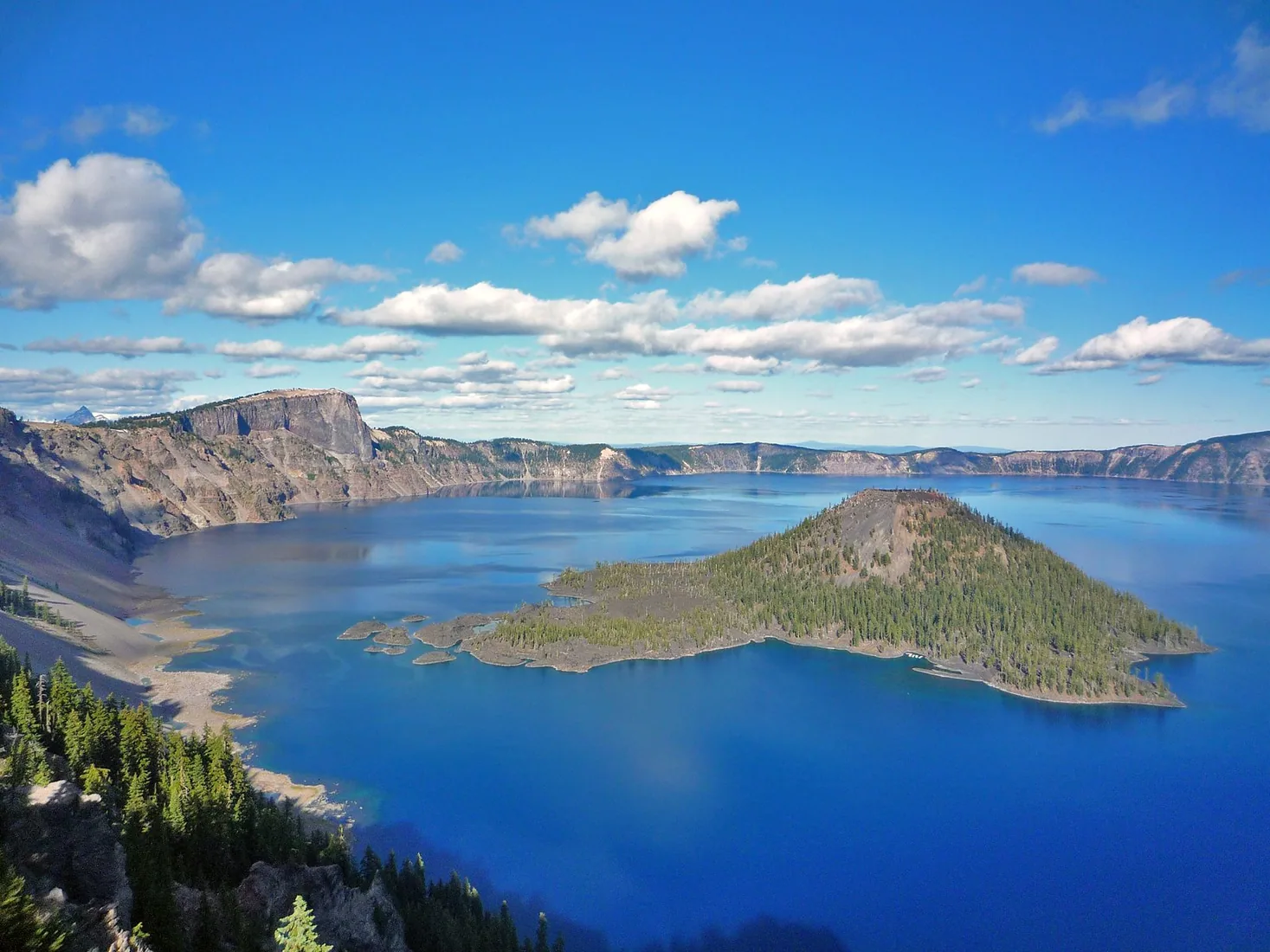
Image of Crater Lake National Park
Photo: NPS Photo ↗

CHOOSE YOUR OWN WAY

Start with a place that fits your pace.

These are editorial starting points. Reference counts show linked source records, not popularity or ratings. Check current access information before setting out.

01 · Outdoors2 source records

Crater Lake National Park

Crater Lake National Park stands out for its unrivaled depth and crystal‑clear water, formed 7,700 years ago when a volcanic eruption collapsed a peak. The lake’s pristine blue hue, fed solely by rain and snow, draws artists, photographers, and sightseers seeking a dramatic mountain backdrop. Its setting atop the Cascade Range adds alpine scenery, making it a natural centerpiece for any Oregon outdoor itinerary.

Before you go: Suggestion: Allocate a full day for sunrise views, a short shoreline hike, and photography at Crater Lake.

02 · History2 source records

John Day Fossil Beds National Monument

John Day Fossil Beds National Monument provides a living laboratory of ancient life, where visitors can see fossils of brontotheres, three‑toed horses, nimravids, and saber‑tooth cats. The shifting climate recorded in the strata—from semitropical forests to dry grasslands—offers paleontologists and curious travelers a vivid story of Earth’s past ecosystems.

Before you go: Suggestion: Spend a half‑day at the visitor center and fossil viewing areas to capture the core paleontological experience.

03 · History2 source records

Lewis and Clark National Historical Park

Lewis and Clark National Historical Park combines timeless rainforests with sweeping coastal vistas along the Columbia River. The park highlights native heritage and the dramatic journeys of America’s famed explorers, allowing visitors to walk historic trails while absorbing both natural beauty and cultural narratives.

Before you go: Suggestion: Plan a morning walk along the river trail to experience both the rainforest ambience and explorer history.

04 · History2 source records

Nez Perce National Historical Park

Nez Perce National Historical Park encompasses 38 sites that trace the nimíipuu’s long‑standing connection to valleys, prairies, mountains, and plateaus of the inland northwest. The park showcases the tribe’s resilience through settlement, adaptation, and cultural continuity, offering a deep dive into indigenous history across diverse landscapes.

Before you go: Suggestion: Choose two or three nearby sites to focus on, ensuring meaningful cultural immersion without excessive travel.

05 · History2 source records

Oregon Caves National Monument & Preserve

Oregon Caves National Monument & Preserve features the “Marble Halls of Oregon,” a network of dark, twisting passages carved by acidic water over eons. Guided tours let visitors explore the interior of a mountain, providing a rare underground adventure that contrasts sharply with Oregon’s surface landscapes.

Before you go: Suggestion: Book a guided cave tour in advance to guarantee entry and fully experience the marble chambers.

06 · History2 source records

Fort Vancouver National Historic Site

Fort Vancouver National Historic Site sits on the Columbia River’s north bank, offering a blend of frontier fur‑trading history, military legacy, early aviation milestones, and the origins of the Pacific Northwest. Its four distinct sites present layered stories of settlement, conflict, and community within a vibrant urban setting.

Before you go: Suggestion: Make a quick stop to explore the main historic buildings and interpretive displays before moving on.

MAKE THE MOST OF YOUR VISIT

Turn the places into a plan.

Choosing Your Stops

When you begin mapping an Oregon itinerary, start by ranking what draws you most: dramatic landscapes, deep‑time geology, living cultural narratives, or unique underground experiences. Crater Lake National Park delivers a pristine, deep lake that photographers and nature lovers prize. John Day Fossil Beds National Monument offers a window into ancient ecosystems, perfect for anyone fascinated by paleontology. Lewis and Clark National Historical Park combines rainforest ambience with coastal vistas and the story of early explorers, appealing to history buffs who also enjoy scenic walks. Nez Perce National Historical Park spreads 38 culturally significant sites across the inland northwest, giving a broad view of the nimíipuu’s resilience and adaptation. Oregon Caves National Monument & Preserve provides guided underground tours of marble halls, a rare chance to explore a mountain from the inside. Fort Vancouver National Historic Site showcases a frontier fur‑trading post, military legacy, and early aviation history, all set against a modern urban backdrop. By matching each park’s core attribute to your interests, you can prioritize stops that will feel most rewarding.

Flexible Visit Sequence

A suggested, but not mandatory, order respects geography while allowing day‑to‑day flexibility. Begin in southern Oregon with Crater Lake, where a sunrise over the blue water sets a memorable tone. From there, head east to John Day Fossil Beds; the drive offers changing scenery and the chance to stretch legs at roadside viewpoints. Continue northward to Oregon Caves, timing your visit to secure a guided tour slot. After the underground adventure, swing west toward the Columbia River corridor, stopping at Fort Vancouver for a quick urban‑park contrast. Follow the river north to Lewis and Clark National Historical Park, where you can explore rainforest trails and coastal outlooks. Finally, loop inland to Nez Perce National Historical Park, selecting a cluster of sites that fit your remaining time. This loop minimizes backtracking, but each leg can be shortened or extended based on weather, energy levels, or unexpected discoveries. The key is to keep the sequence adaptable rather than rigid.

Practical Booking and Access Checks

All six locations are managed by the National Park Service and listed on Recreation.gov, so start by visiting those sites for the latest reservation requirements. Crater Lake and Fort Vancouver generally allow day‑use without advance booking, but check for seasonal road closures or special events. John Day Fossil Beds may have limited parking during peak summer weekends; a quick call to the visitor center can confirm space. Lewis and Clark’s rainforest trails are open year‑round, yet some sections close after heavy rain, so verify trail conditions before heading out. Oregon Caves requires a guided tour reservation; slots fill quickly in summer, so book at least a week ahead. Nez Perce’s 38 sites are spread out; many are free to access, but some may need permits for group visits. Always confirm operating hours, any required permits, and accessibility options on the official NPS pages linked in the evidence. Keeping a checklist of these items prevents last‑minute surprises.

Traveler Tradeoffs

Balancing time, distance, and depth is the central tradeoff for an Oregon federal‑park road trip. Spending a full day at Crater Lake yields sunrise, a short hike, and lake‑edge photography, but it also consumes a large travel segment because of its southern location. Cutting that visit to a half‑day saves mileage but sacrifices the iconic lake view. John Day Fossil Beds offers rich scientific insight in a compact area; a brief stop still delivers the core fossil narrative, while a longer hike through the Badlands adds physical challenge. Oregon Caves’ guided tour is a fixed‑time experience; skipping it means missing a unique underground landscape, yet it frees up afternoon driving time. Fort Vancouver’s urban setting allows a quick cultural dip, but lingering in Portland’s food scene could outweigh the historic value for some travelers. Finally, Nez Perce’s dispersed sites force a choice between breadth (visiting several locations) and depth (spending more time at fewer sites). We suggest weighing personal interests against realistic driving hours, and using the flexible sequence to rearrange stops when weather or fatigue dictate.

BOOK YOUR OWN WAY

Explore options for your dates.

These links open booking partners. Some are affiliate links: WTDO may earn a commission. Final prices, availability and terms are shown by the provider. A destination may not carry through every partner link.

Compare places to stay ↗Find tours and experiences ↗Compare rental cars ↗Compare flights ↗

LET'S MAKE THIS YOUR TRIP

The list is a beginning. Your day is the point.

Carry the destination into a free plan, or explore more of Oregon.

Plan my trip ↗Explore oregon →

Editorial review: 2026-10-03. Official links were tested for reachability during research. Editorial approval does not guarantee current hours, access or availability; check each official site.