WTDO USA™The field guides

Outdoors

Texas National Parks & Historic Sites: A Flexible Outdoor Field Guide

Explore six Texas federal sites with planning tips, flexible order ideas, booking checks, and trade‑off insights for a memorable road adventure.

Texas

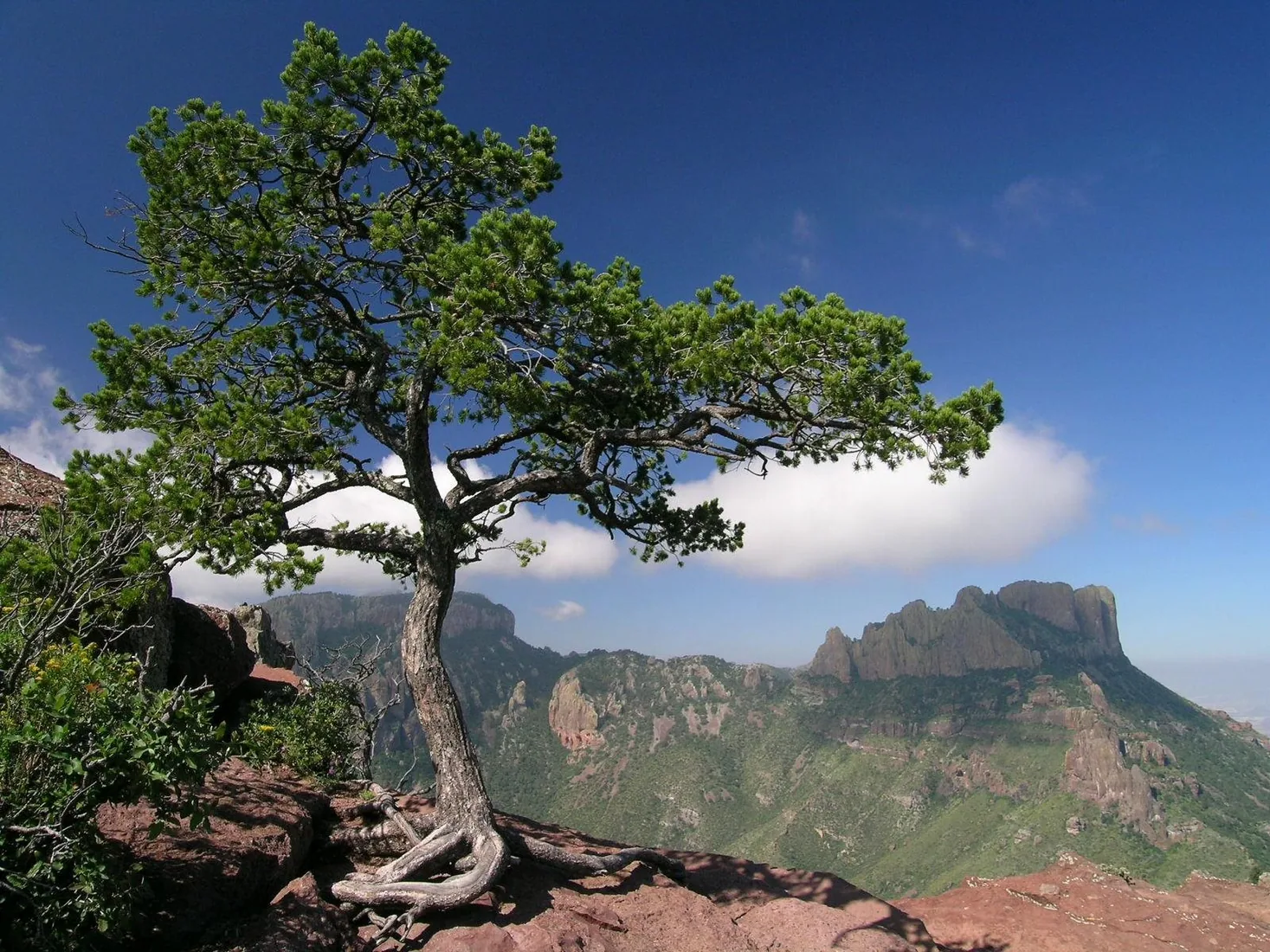
Image of Big Bend National Park
Image of Big Bend National Park Photo: NPS / B. Trester · Display may crop.
06places to discover
04ways to shape your day

A starting point, with room
for a little unexpected.

See the places

A LITTLE LOCAL PERSPECTIVE

Texas’s federal lands offer a spectrum of experiences—from the star‑filled deserts of Big Bend to the ancient limestone reefs of Guadalupe Mountains, from presidential history at LBJ Ranch to the wild Gulf shoreline of Padre Island, and the cultural depth of San Antonio Missions and Alibates Flint Quarries. This guide stitches those sites together with practical planning advice, flexible itineraries, and clear trade‑off considerations, helping travelers shape a road trip that matches their interests, time, and comfort level.

FOLLOW YOUR CURIOSITY

Places that make the trip.

Pick a favorite. Leave room for another.

01Outdoors

Big Bend National Park

Big Bend offers some of the darkest night skies in the nation, perfect for stargazing, and its ancient limestone canyons create dramatic hiking scenery. The park’s isolated mountain range shelters hundreds of bird species, and tenacious cactus bloom under the southwestern sun, showcasing Texas’s richest species diversity.

Good to know

Choose Big Bend if you value pristine night skies, canyon trekking, and high biodiversity.

Sources & visitor information 2National Park Service ↗Recreation.gov ↗
02Outdoors

Guadalupe Mountains National Park

Guadalupe Mountains protects the world’s most extensive Permian fossil reef and hosts Texas’s four highest peaks. The park’s mix of mountains, canyons, desert, and dunes delivers varied terrain, while its night skies and vistas add a spectacular backdrop for outdoor pursuits.

Good to know

Select Guadalupe Mountains for high‑elevation hikes and unique geological history.

Sources & visitor information 2National Park Service ↗Recreation.gov ↗
03History

Lyndon B Johnson National Historical Park

LBJ National Historical Park traces the life of the 36th president from his ancestors to his final resting place on the LBJ Ranch. The site offers a comprehensive view of a notable American leader, giving visitors a personal connection to presidential history.

Good to know

Visit LBJ if presidential heritage and personal storytelling appeal to you.

Sources & visitor information 2National Park Service ↗Recreation.gov ↗
04Outdoors

Padre Island National Seashore

Padre Island protects 66 miles of untouched Gulf coastline and one of the last intact coastal prairie habitats in the United States. Its hypersaline Laguna Madre and tidal mud flats support abundant wildlife, while the barrier island’s history spans Native American, Spanish, and ranching eras.

Good to know

Pick Padre Island for wild beach experiences and coastal prairie ecology.

Sources & visitor information 2National Park Service ↗Recreation.gov ↗
05History

San Antonio Missions National Historical Park

San Antonio Missions is Texas’s sole UNESCO World Heritage Site, featuring missions that have served as community centers since the early 1700s. They illustrate cultural exchange, technological introduction, and shifting power dynamics, inviting reflection on regional history.

Good to know

Opt for San Antonio Missions to explore UNESCO‑recognized cultural heritage.

Sources & visitor information 2National Park Service ↗Recreation.gov ↗
06History

Alibates Flint Quarries National Monument

Alibates Flint Quarries reveals a 13,000‑year‑old source of flint used by mammoth hunters for tools. The site highlights the importance of flint in survival, trade, and culture on the High Plains, offering a tangible link to prehistoric life.

Good to know

Choose Alibates for insight into ancient tool production and prehistoric commerce.

Sources & visitor information 2National Park Service ↗Recreation.gov ↗

LESS GUESSWORK. MORE DISCOVERY.

A good day starts
with a little knowing.

Practical context for making these ideas your own.

01

Choosing Your Stops

Start by ranking what draws you most: night‑sky photography, rugged canyon hikes, presidential history, coastal wildlife, UNESCO cultural sites, or ancient archaeology. Big Bend shines for dark skies and limestone canyons, while Guadalupe Mountains offers the state’s highest peaks and a world‑class Permian fossil reef. LBJ National Historical Park delivers a complete presidential narrative, and Padre Island protects a rare coastal prairie and tidal mud flats. San Antonio Missions provide a UNESCO‑recognized cultural journey, and Alibates Flint Quarries reveal 13,000‑year‑old tool‑making heritage. Match each attribute to your interests, then consider driving distance, seasonal weather, and any required permits.

02

Flexible Visit Sequence

A loop works well: begin in far‑west Big Bend, swing east to Guadalupe Mountains, head south‑central to LBJ Ranch, then down to Padre Island’s seashore, north‑west to San Antonio Missions, and finish at Alibates Flint Quarries before returning home. Because each stop stands alone, you can reverse the order, skip a site, or add extra days without breaking the flow. Keep daily mileage under 300 miles for comfort, and use major towns (El Paso, Midland, Austin) as rest points and supply hubs.

03

Booking and Access Checks

All six locations are managed by the National Park Service and listed on Recreation.gov. Verify campsite availability, backcountry permits, and any seasonal road closures before you leave. Some parks, like Big Bend and Guadalupe Mountains, have limited entry points that close during extreme heat or winter storms. LBJ Ranch may require timed entry for the historic house. Padre Island’s beach access can be affected by tides and protected nesting periods. Check each site’s official NPS page for the latest alerts and reservation links.

04

Traveler Tradeoffs

Weigh distance against depth: a longer drive lets you experience diverse ecosystems but reduces time for hiking or museum tours. Prioritizing outdoor adventure means allocating more days to Big Bend and Guadalupe, while a history focus shifts time to LBJ, San Antonio, and Alibates. Beach lovers may accept a tighter schedule to soak Padre Island’s shoreline, whereas night‑sky enthusiasts might stay longer in the remote west. Consider vehicle type—four‑wheel‑drive helps on rugged desert roads, while a comfortable sedan suits highway stretches between sites.

FROM A GOOD IDEA TO YOUR NEXT TRIP

Found your kind of day?

Choose a few places. Let the free planner help you put them together, or meet Butler for a little more help along the way.

Compare stays & experiences for your dates ↗

Booking partners may pay WTDO a commission. Check final prices, availability and terms with the provider. A destination may not carry through every link.

Places to stay ↗Tours & experiences ↗Rental cars ↗Flights ↗

Editorial review: 2026-10-08.

Official links were checked during research. Hours, access and availability can change; check the current visitor information before setting out.

Photo credits & image licenses

Image of Big Bend National Park · NPS / B. Trester. Resized; display may crop.

Explore more of Texas →