WTDO USA

THE WTDO FIELD GUIDE · Utah

Utah’s Red Rock Trail: A Flexible Field Guide to Six Iconic Parks and Historic Sites

Utah’s red‑rock corridor packs a remarkable mix of natural wonder and frontier history into a compact loop. From the mail‑riding drama of the Pony Express trail to the soaring arches, hoodoo‑filled amphitheaters, and hidden monocline of Capitol Reef, each stop offers a distinct experience. This guide distills the essential planning decisions—how to pick sites, shape a flexible route, handle reservations, and balance time versus depth—so travelers can craft a personalized adventure without missing the state’s signature landscapes.

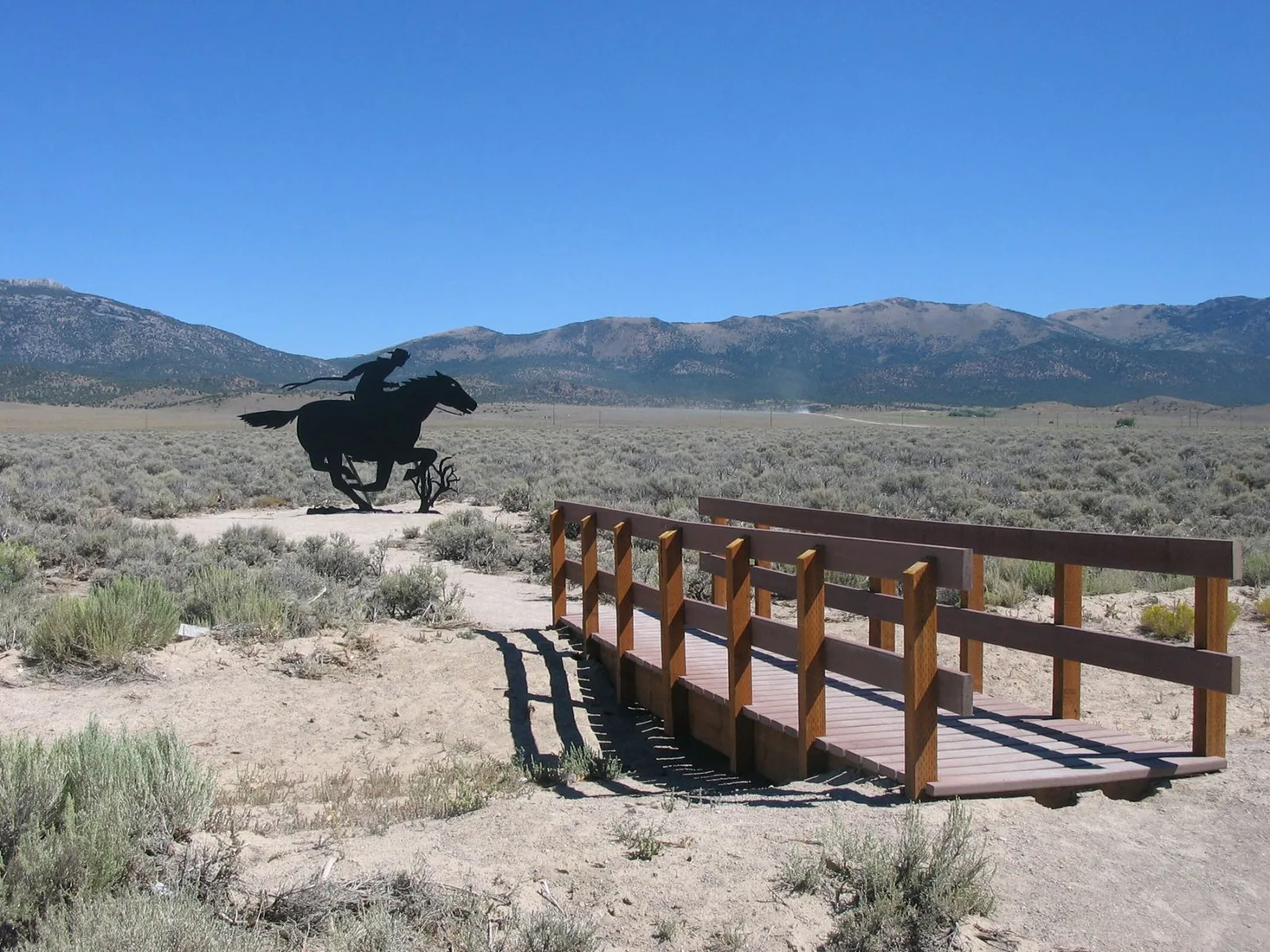
Image of Pony Express National Historic Trail
Photo: NPS photo ↗

CHOOSE YOUR OWN WAY

Start with a place that fits your pace.

These are editorial starting points. Reference counts show linked source records, not popularity or ratings. Check current access information before setting out.

01 · History2 source records

Pony Express National Historic Trail

The Pony Express National Historic Trail commemorates the daring 10‑day horse‑mail relay that linked Missouri to California before the telegraph. Riding through eight states, the trail illustrates the most direct east‑west communication method of its era, offering a tangible glimpse into 19th‑century frontier logistics and the rugged determination of its young riders.

Before you go: Suggestion: Allocate a half‑day to explore the trail’s interpretive markers and consider a short guided walk to appreciate the historic route without extensive hiking.

02 · Outdoors2 source records

Arches National Park

Arches National Park boasts more than 2,000 natural stone arches, hundreds of soaring pinnacles, massive rock fins, and balanced rocks. This concentration of red‑rock formations creates a landscape of contrasting colors and textures that is unrivaled worldwide, providing endless photographic opportunities and inspiring sunsets.

Before you go: Suggestion: Spend a full day to visit iconic arches such as Delicate and Landscape, and schedule time for a sunset viewpoint to capture the park’s dramatic color shifts.

03 · Outdoors2 source records

Bryce Canyon National Park

Bryce Canyon National Park contains the world’s largest concentration of hoodoos—irregular rock columns—set on a high plateau atop the Grand Staircase. Its elevated position supports diverse life communities, offers exceptional dark‑sky conditions, and presents geological wonders that are both striking and photogenic.

Before you go: Suggestion: Plan a sunrise or sunset hike along the rim trail to experience the hoodoos in golden light, and allow at least half a day for the experience.

04 · Outdoors2 source records

Canyonlands National Park

Canyonlands National Park is a wilderness of canyons, buttes, and spires carved by the Colorado and Green Rivers. The park is divided into four distinct districts, each with its own desert ecosystem and adventure opportunities, ranging from scenic overlooks to remote backcountry routes.

Before you go: Suggestion: Choose one district—such as Island in the Sky for panoramic vistas—and dedicate a day to its main viewpoints and short hikes, adjusting the district based on your desired level of remoteness.

05 · Outdoors2 source records

Capitol Reef National Park

Capitol Reef National Park lies in south‑central Utah’s red‑rock country and is defined by the Waterpocket Fold, a 100‑mile‑long geologic monocline. The park’s cliffs, canyons, domes, and natural bridges create a hidden treasure of geological diversity and scenic drives.

Before you go: Suggestion: Drive the scenic Highway 24, stop at the historic Fruita orchards, and schedule a moderate hike to experience the park’s unique folds and bridges.

06 · History2 source records

Cedar Breaks National Monument

Cedar Breaks National Monument crowns the Grand Staircase at over 10,000 feet, forming a half‑mile‑deep geologic amphitheater. The site features timeless bristlecone pines, lush wildflower meadows, and some of the clearest night skies in the region, offering a subalpine forest experience unlike the surrounding desert parks.

Before you go: Suggestion: Visit in summer to enjoy wildflower blooms, allocate a few hours for a meadow walk, and consider an evening stargazing session to take advantage of the pristine night sky.

MAKE THE MOST OF YOUR VISIT

Turn the places into a plan.

How to Choose Your Stops

Start by matching each site’s signature attribute to your travel priorities. If historic storytelling excites you, the Pony Express National Historic Trail delivers a tangible link to the 10‑day horse‑mail relay that once spanned eight states. For iconic geology, Arches National Park offers over 2,000 natural stone arches and dramatic rock fins that define Utah’s red‑rock aesthetic. Bryce Canyon’s unrivaled hoodoo concentration provides a high‑elevation backdrop for night‑sky photography and alpine flora. Canyonlands presents four distinct districts, each a separate wilderness playground for backcountry exploration. Capitol Reef’s Waterpocket Fold showcases a 100‑mile‑long geologic wrinkle, perfect for scenic drives and lesser‑crowded hikes. Finally, Cedar Breaks’ subalpine amphitheater at 10,000 feet combines bristlecone pines, wildflower meadows, and crystal‑clear night skies for a high‑altitude retreat. By ranking these themes—history, iconic arches, hoodoos, district variety, hidden monocline, and alpine amphitheater—you can select the mix that best fits your interests and physical comfort.

A Suggested Flexible Visit Sequence

A clockwise loop minimizes backtracking while preserving flexibility. Begin in the northwest with the Pony Express National Historic Trail, then swing south to Arches National Park, whose proximity to Canyonlands lets you pair a morning hike with an afternoon drive into the Island in the Sky district. Continue eastward to Capitol Reef, using Highway 24 for a scenic transition that also offers quick access to the park’s petroglyphs and domes. From there, head south to Bryce Canyon for sunrise on the rim, then drop further south to Cedar Breaks, where the high‑altitude meadow provides a cool contrast before you loop back north to complete the circuit. Because each district in Canyonlands is isolated, you can swap Island in the Sky for the more rugged Needles or the remote Maze, depending on time and desired difficulty. This sequence remains adaptable: if weather closes a road, you can reverse direction or skip a district without disrupting the overall flow.

Practical Booking and Access Checks

All six locations are managed by the National Park Service and list detailed visitor information on their official sites and on Recreation.gov. Before you set out, verify seasonal road closures—especially for Canyonlands’ remote districts and Cedar Breaks’ high‑elevation access, which can close after early snow. Reserve campgrounds or backcountry permits well in advance during peak summer months; Arches and Bryce Canyon often reach capacity quickly. Check for timed‑entry reservations at popular trailheads in Arches, as the park sometimes implements a shuttle system to manage traffic. For the Pony Express trail, confirm the status of interpretive signage and any required permits for off‑road travel. Finally, download the NPS mobile app for real‑time alerts on trail conditions, wildlife advisories, and weather updates across the entire loop.

Traveler Tradeoffs to Consider

Balancing depth against distance is the central tradeoff in Utah’s park loop. A fast‑track itinerary—one night in a central town and a single day per park—lets you tick all six boxes but sacrifices sunrise or sunset experiences that define Bryce Canyon and Arches. Extending the trip to a full week lets you linger at high‑altitude sites like Cedar Breaks, where acclimatization improves comfort, and to explore multiple Canyonlands districts, each requiring separate entry points and longer drives. Driving time between parks averages 2–3 hours, so factor in fuel costs and potential fatigue; a well‑stocked vehicle and staggered rest stops keep the journey pleasant. Finally, consider crowd levels: Arches and Bryce Canyon draw the largest numbers in summer, while Capitol Reef and Cedar Breaks remain quieter, offering a more solitary feel if you prefer solitude over spectacle.

BOOK YOUR OWN WAY

Explore options for your dates.

These links open booking partners. Some are affiliate links: WTDO may earn a commission. Final prices, availability and terms are shown by the provider. A destination may not carry through every partner link.

Compare places to stay ↗Find tours and experiences ↗Compare rental cars ↗Compare flights ↗

LET'S MAKE THIS YOUR TRIP

The list is a beginning. Your day is the point.

Carry the destination into a free plan, or explore more of Utah.

Plan my trip ↗Explore utah →

Editorial review: 2026-10-06. Official links were tested for reachability during research. Editorial approval does not guarantee current hours, access or availability; check each official site.