WTDO USA

THE WTDO FIELD GUIDE · West Virginia

West Virginia Outdoor Adventure Field Guide: Rivers, Trails, and History

This field guide helps outdoor enthusiasts design a West Virginia trip that balances rugged river action, long‑distance hiking, and rich cultural heritage. Using only official park information, it offers a step‑by‑step planning framework, a modular route that can be reshuffled to suit time constraints, practical checks for reservations and seasonal access, and a clear look at the compromises between adventure intensity, comfort, and travel time. The result is a ready‑to‑use blueprint for a memorable, self‑guided adventure across the state’s most iconic natural and historic sites.

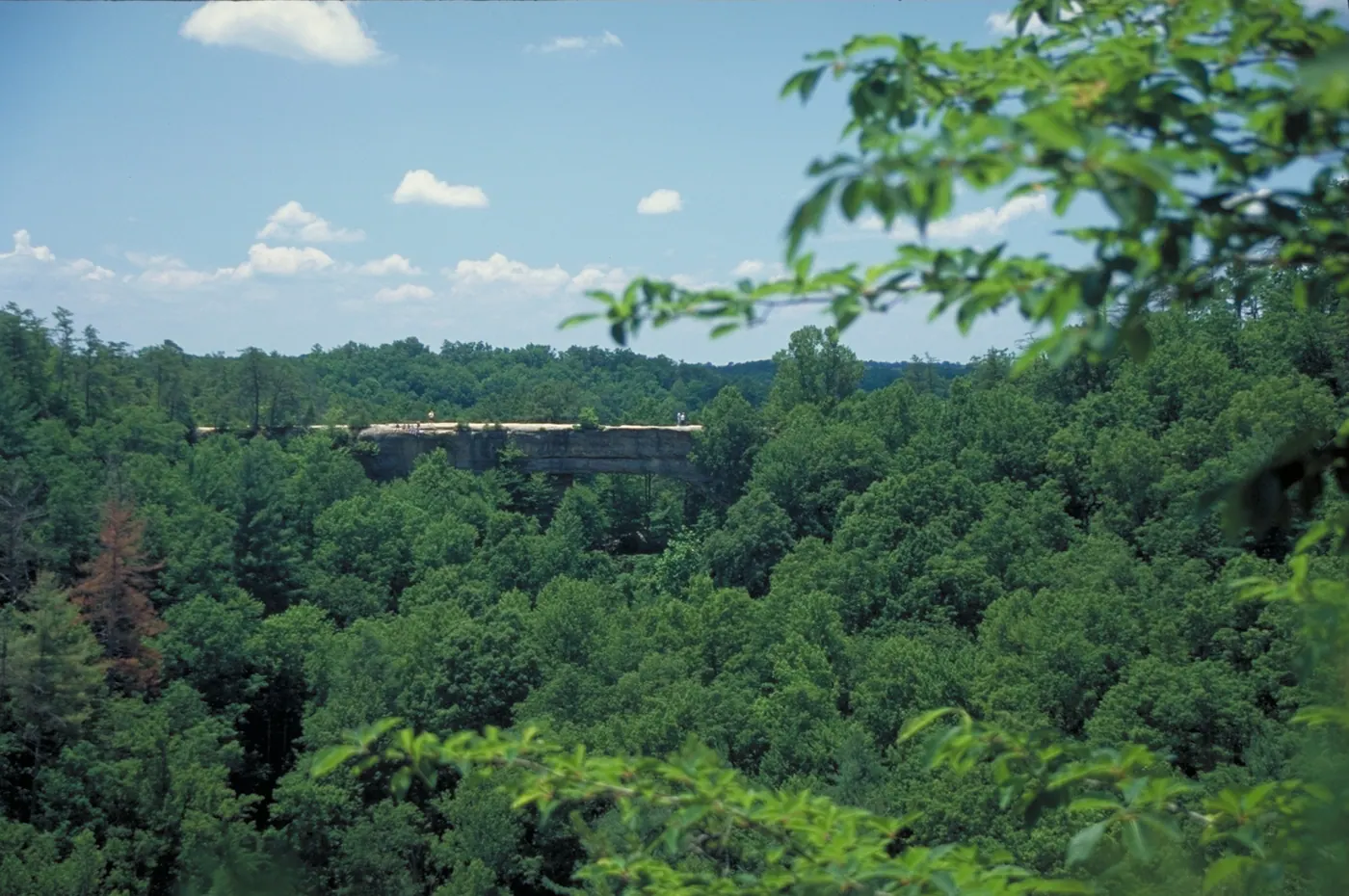
Image of New River Gorge National Park & Preserve
Photo: Unknown authorUnknown author or not provided · Public domain ↗

CHOOSE YOUR OWN WAY

Start with a place that fits your pace.

These are editorial starting points. Reference counts show linked source records, not popularity or ratings. Check current access information before setting out.

01 · Outdoors2 source records

New River Gorge National Park & Preserve

The New River Gorge protects over 70,000 acres of ancient river canyon, offering dramatic cliffs, historic mining remnants, and some of the oldest flowing water on the continent. Its whitewater stretches attract paddlers, while the surrounding trails provide panoramic vistas and opportunities to explore the region’s cultural layers.

Before you go: Allocate at least one full day for either a river run or a ridge hike, and consider staying in nearby Lewisburg for easy access to trailheads and local eateries.

02 · Outdoors2 source records

Appalachian National Scenic Trail

Spanning more than 2,190 miles, the Appalachian Trail weaves through diverse woodlands, pastoral valleys, and historic sites across the Appalachian range. Managed by multiple federal agencies and volunteers, it offers a living laboratory of natural and cultural heritage.

Before you go: Select a manageable segment—perhaps 5 to 10 miles—near the state border, and plan for water caches and a quick resupply stop in a nearby town.

03 · Outdoors2 source records

Bluestone National Scenic River

Bluestone National Scenic River safeguards a 10.5‑mile ribbon of the Bluestone River, cutting through a rugged gorge that supports a rich mosaic of plants and wildlife. The protected status ensures an unspoiled backdrop for low‑impact recreation.

Before you go: Plan a day‑long kayak or fishing outing, checking current water levels on the NPS site before heading out.

04 · Outdoors2 source records

Chesapeake Bay

Chesapeake Bay’s watershed links over 41 million acres of land and water, making it a massive arena for boating, birdwatching, and shoreline exploration. The National Park Service promotes stewardship and educational programs throughout the region.

Before you go: Schedule a tide‑aware paddle or shoreline walk, and look for guided eco‑tours that highlight the bay’s ecological importance.

05 · Outdoors2 source records

Gauley River National Recreation Area

The Gauley River National Recreation Area features 25 miles of free‑flowing river and six miles of the Meadow River, carving dramatic gorges and hosting several class V+ rapids—some of the most challenging whitewater in the eastern United States.

Before you go: If you have advanced rafting skills, book a guided run during the spring‑summer surge; otherwise, enjoy the scenic overlooks and easy riverside trails.

06 · History2 source records

Harpers Ferry National Historical Park

Harpers Ferry National Historical Park sits at the meeting point of the Shenandoah and Potomac rivers on land once inhabited by the Tuscarora and Shawnee. It preserves the story of John Brown’s raid, civil‑rights milestones, and extensive trail networks across the Blue Ridge.

Before you go: Combine a short historical walk with a hike along the nearby ridge, using the visitor center for interpretive displays and trail maps.

MAKE THE MOST OF YOUR VISIT

Turn the places into a plan.

How to Choose Your Stops

Start by ranking what excites you most: high‑octane whitewater, long‑haul footpaths, quiet river paddling, or deep‑dive history. West Virginia offers a spectrum—from the thunderous rapids of the New River Gorge to the quiet, protected stretch of the Bluestone River, and from the 2,190‑mile Appalachian Trail to the historic crossroads at Harpers Ferry. Consider seasonality; spring brings higher water for kayaking, while fall offers cooler hiking weather. Also weigh travel distance between sites; some are clustered in the southern mountains, while others sit farther east near the Chesapeake watershed. Matching your activity level, preferred scenery, and time window to each park’s core draw will produce a balanced list of stops.

A Flexible Visit Sequence

A suggested loop begins in the southern tier with New River Gorge, then moves north to the Gauley River for more intense whitewater, followed by the nearby Bluestone River for a calmer paddle. From there, head eastward to a manageable segment of the Appalachian Trail, swing north to Harpers Ferry for history and short hikes, and finish with a coastal day on Chesapeake Bay. This order respects typical driving routes but can be rearranged—if you prefer a historic start, swap Harpers Ferry to the beginning, or if you have limited days, skip the longer trail segment and focus on the rivers. The key is to keep the itinerary modular, allowing you to add or drop days without breaking the flow.

Practical Booking and Access Checks

All six locations are managed by the National Park Service and listed on Recreation.gov, so start by visiting those sites for up‑to‑date reservation windows, campsite availability, and any required permits. Whitewater sections like the Gauley River often require a launch permit during peak season, while backcountry campsites in New River Gorge fill quickly in summer. Check for seasonal closures—some trailheads on the Appalachian Trail may be limited after heavy snowfall. Verify road conditions, especially in the mountain passes that connect the southern parks, and confirm any fee structures for vehicle entry or guided tours. A quick pre‑trip audit on the official NPS pages will prevent surprises on the road.

Traveler Trade‑offs to Consider

Adventure intensity versus comfort is the primary balance. Pursuing class V+ rapids on the Gauley River promises adrenaline but demands expert skill, safety gear, and possibly guided services, which raise cost and planning time. In contrast, a leisurely kayak on the Bluestone River offers scenic immersion with minimal equipment. Long‑distance hikers on the Appalachian Trail must allocate extra days for resupply and fatigue management, while a short segment near Harpers Ferry can be combined with historic tours for a lighter schedule. Finally, consider lodging: remote river camps save money but require self‑sufficiency, whereas staying in nearby towns provides amenities at a higher price. Weigh these factors against your budget, fitness level, and desired depth of experience.

BOOK YOUR OWN WAY

Explore options for your dates.

These links open booking partners. Some are affiliate links: WTDO may earn a commission. Final prices, availability and terms are shown by the provider. A destination may not carry through every partner link.

Compare places to stay ↗Find tours and experiences ↗Compare rental cars ↗Compare flights ↗

LET'S MAKE THIS YOUR TRIP

The list is a beginning. Your day is the point.

Carry the destination into a free plan, or explore more of West Virginia.

Plan my trip ↗Explore west-virginia →

Editorial review: 2026-10-08. Official links were tested for reachability during research. Editorial approval does not guarantee current hours, access or availability; check each official site.