WTDO USA

THE WTDO FIELD GUIDE · Wyoming

Wyoming Wilderness & History: A WTDO Field Guide

This guide treats Wyoming as a living museum where towering geology, deep‑time fossils, and frontier stories intersect. By weaving outdoor adventure with cultural heritage, the guide helps travelers balance rugged exploration with respectful historic immersion, using only the facts supplied by the National Park Service and Recreation.gov.

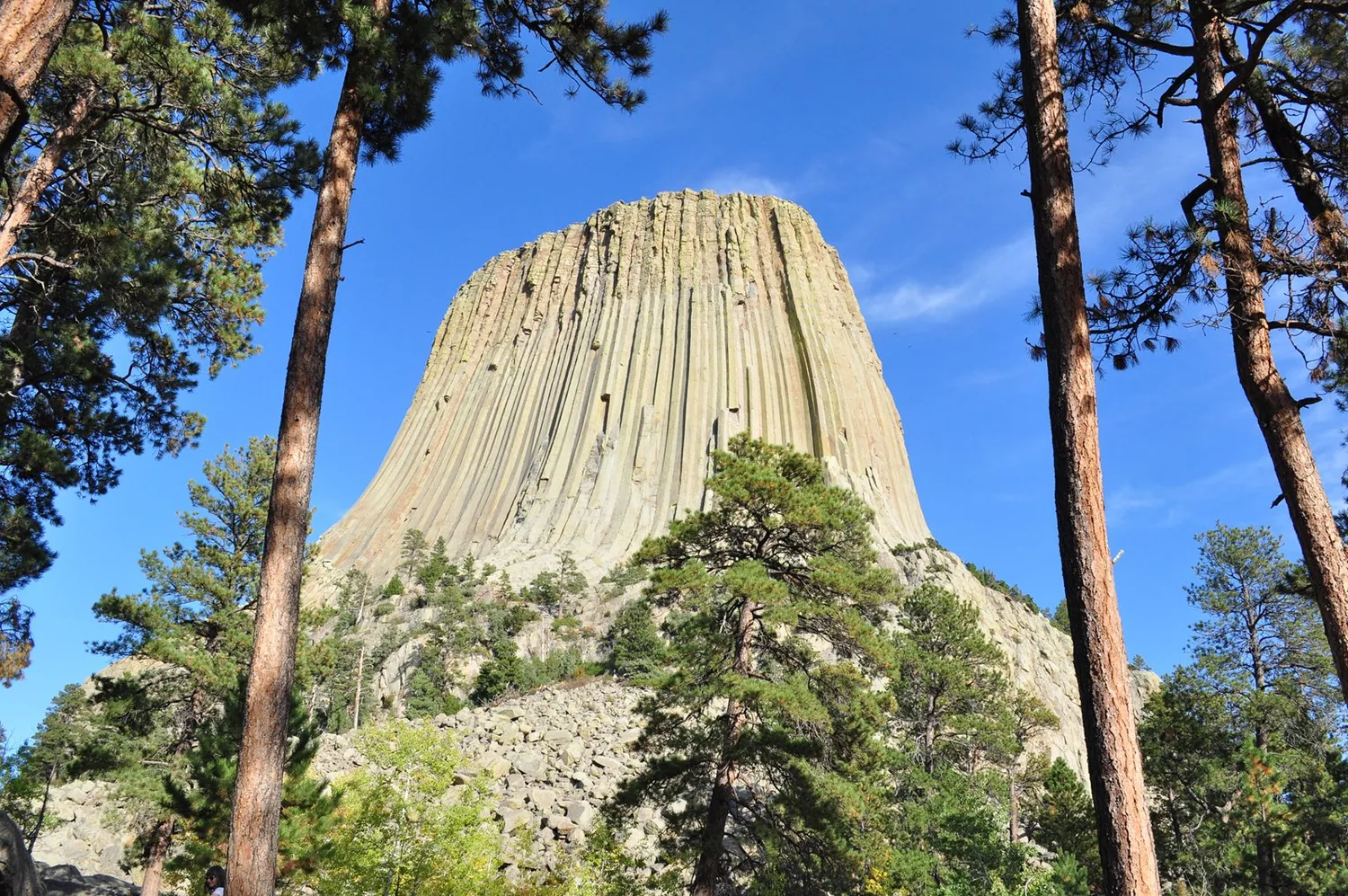
Image of Devils Tower National Monument
Photo: NPS/ S. Carter ↗

CHOOSE YOUR OWN WAY

Start with a place that fits your pace.

These are editorial starting points. Reference counts show linked source records, not popularity or ratings. Check current access information before setting out.

01 · Outdoors2 source records

Bighorn Canyon National Recreation Area

Spanning over 120,000 acres, Bighorn Canyon presents a sprawling wilderness where river‑cut cliffs, mixed grasslands, and forested canyons converge. The sheer scale supports a wide array of wildlife and plant communities, while archaeological evidence reveals more than ten thousand years of human presence. This combination of natural diversity and deep‑time cultural layers makes the canyon an ideal base for hikers, birdwatchers, and anyone seeking to feel the breadth of Wyoming’s untamed terrain.

Before you go: Allocate at least one full day for a scenic drive along the canyon rim, followed by a short hike to a viewpoint. If you have a campsite, consider an overnight stay to catch sunrise over the water, which highlights the canyon’s dramatic walls.

02 · History2 source records

Devils Tower National Monument

Devils Tower rises abruptly from the surrounding prairie, offering a striking monolith of columnar basalt. The formation is revered by Northern Plains Indigenous peoples and is celebrated for its hundreds of parallel cracks that create premier crack‑climbing routes across North America. Its cultural significance and climbing reputation combine to give visitors a rare blend of spiritual reflection and physical challenge.

Before you go: Plan a morning visit to walk the base trail, allowing time for the interpretive center’s cultural exhibits. If you climb, schedule your ascent for mid‑day when the sun softens the rock’s shadows, and be sure to respect any seasonal climbing closures posted by the park.

03 · History2 source records

Fort Laramie National Historic Site

Founded as a private fur trading post in 1834, Fort Laramie grew into the most prominent military installation on the Northern Plains before its 1890 abandonment. The site witnessed the full arc of western expansion, from trade and settlement to the intense resistance of Indigenous nations. Its preserved structures and interpretive displays convey the complex narrative of frontier life and conflict.

Before you go: Treat the fort as a half‑day stop. Join a ranger‑led talk if available, then explore the reconstructed buildings at your own pace. The site’s compact layout makes it easy to fit into a travel day without sacrificing depth.

04 · History2 source records

Fossil Butte National Monument

Nestled in southwest Wyoming’s ridges, Fossil Butte protects some of the world’s most complete fossil assemblages from a prehistoric freshwater lake. The strata reveal ancient stingrays, turtles, early horses, and abundant plant material, painting a vivid picture of a warm, wet ecosystem that existed millions of years ago. Each new discovery adds to the scientific story of life on Earth.

Before you go: Spend a morning in the visitor center to watch the fossil preparation lab and then walk the Fossil Quarry Trail. Bring a field guide if you enjoy spotting trace fossils, and allocate extra time if you wish to join a seasonal fossil‑hunting workshop.

05 · Outdoors2 source records

Grand Teton National Park

Grand Teton showcases soaring alpine peaks, crystal‑clear lakes, and abundant wildlife that have been stewarded by humans for over eleven thousand years. The park’s iconic range dominates the skyline of Jackson Hole, offering dramatic vistas, backcountry trails, and opportunities for boating, fishing, and photography. Its long history of human connection underscores a landscape that feels both timeless and intimately familiar.

Before you go: Dedicate at least two days to the park: one for a lake‑side hike such as around Jenny Lake, and another for a longer backcountry trek or wildlife drive. Early mornings and evenings provide the best light for photography and increase chances of spotting elk or moose.

06 · History2 source records

Mormon Pioneer National Historic Trail

The Mormon Pioneer Trail traces a 1,300‑mile corridor that Mormon settlers traveled from Nauvoo, Illinois, to the Great Salt Lake Valley in 1846‑1847. Traversing five states, the Wyoming segment offers tangible markers of the migration, including historic waypoints, interpretive signs, and remnants of the original wagon routes. The trail provides a moving glimpse into the perseverance of early pioneers.

Before you go: In Wyoming, select a short segment that aligns with your route—perhaps the stretch near the state’s central plains. A brief stop for a self‑guided walk and a photo at a historic marker can be fit into a travel day without requiring additional lodging.

MAKE THE MOST OF YOUR VISIT

Turn the places into a plan.

Choosing Your Stops

Wyoming’s federal lands cluster around three themes: dramatic landscapes, geological marvels, and pivotal historic sites. Start by matching your interests to the core attributes of each stop. If you crave expansive wilderness, Bighorn Canyon’s 120,000‑acre mosaic of ecosystems and Grand Teton’s alpine vistas deliver. For hands‑on geology, Devils Tower offers world‑class crack climbing and a sacred cultural backdrop. History buffs will find Fort Laramie’s military legacy and the Mormon Pioneer Trail’s migration story compelling, while fossil enthusiasts should prioritize Fossil Butte’s exceptionally preserved ancient lake fauna. By ranking these themes, you can select a mix that satisfies both outdoor and cultural appetites without over‑loading any single category.

Suggested Flexible Visit Sequence

Because the six sites stretch across the state, a loop that respects driving distances while allowing day‑to‑day flexibility works well. Begin in the southeast at Fossil Butte, then head north to Grand Teton for high‑altitude scenery. Continue east to Bighorn Canyon, swing west to Devils Tower, drop south to Fort Laramie, and finish with the Mormon Pioneer Trail segment that threads through the central corridor. This order minimizes backtracking, yet each leg can be shortened or extended. If weather closes a canyon road, you can swap Bighorn for a longer stay at Devils Tower, for example. The sequence remains adaptable because each stop is self‑contained and reachable via major highways.

Practical Booking & Access Checks

All six locations are managed by the National Park Service and listed on Recreation.gov, so start by confirming campsite availability, permit requirements, and any seasonal closures on those sites. Bighorn Canyon and Grand Teton often have limited primitive campsites that fill early in summer; reserve them as soon as the calendar opens. Devils Tower’s climbing routes do not require a permit, but the surrounding park may have parking caps during peak weekends. Fort Laramie and the Mormon Pioneer Trail are largely day‑use, yet the historic sites sometimes host interpretive programs that require advance sign‑up. Fossil Butte’s visitor center operates on a limited schedule, so verify opening hours before planning a fossil‑hunting morning.

Traveler Tradeoffs

Balancing time, effort, and interest means weighing wilderness immersion against historic depth. Spending multiple days in Grand Teton yields wildlife sightings and lake paddling, but it reduces time for the fossil‑rich Southwest. Conversely, a quick stop at Devils Tower satisfies a climbing itch but may leave you missing the cultural narratives at Fort Laramie. Budget‑conscious travelers might skip the more remote Bighorn Canyon campsites in favor of the free day‑use at the Mormon Pioneer Trail. Consider your physical stamina, vehicle range, and whether you prefer guided interpretation (Fort Laramie, Fossil Butte) or self‑directed adventure (Bighorn, Grand Teton). The guide’s suggestions aim to help you map those compromises without sacrificing the essence of each place.

BOOK YOUR OWN WAY

Explore options for your dates.

These links open booking partners. Some are affiliate links: WTDO may earn a commission. Final prices, availability and terms are shown by the provider. A destination may not carry through every partner link.

Compare places to stay ↗Find tours and experiences ↗Compare rental cars ↗Compare flights ↗

LET'S MAKE THIS YOUR TRIP

The list is a beginning. Your day is the point.

Carry the destination into a free plan, or explore more of Wyoming.

Plan my trip ↗Explore wyoming →

Editorial review: 2026-10-03. Official links were tested for reachability during research. Editorial approval does not guarantee current hours, access or availability; check each official site.